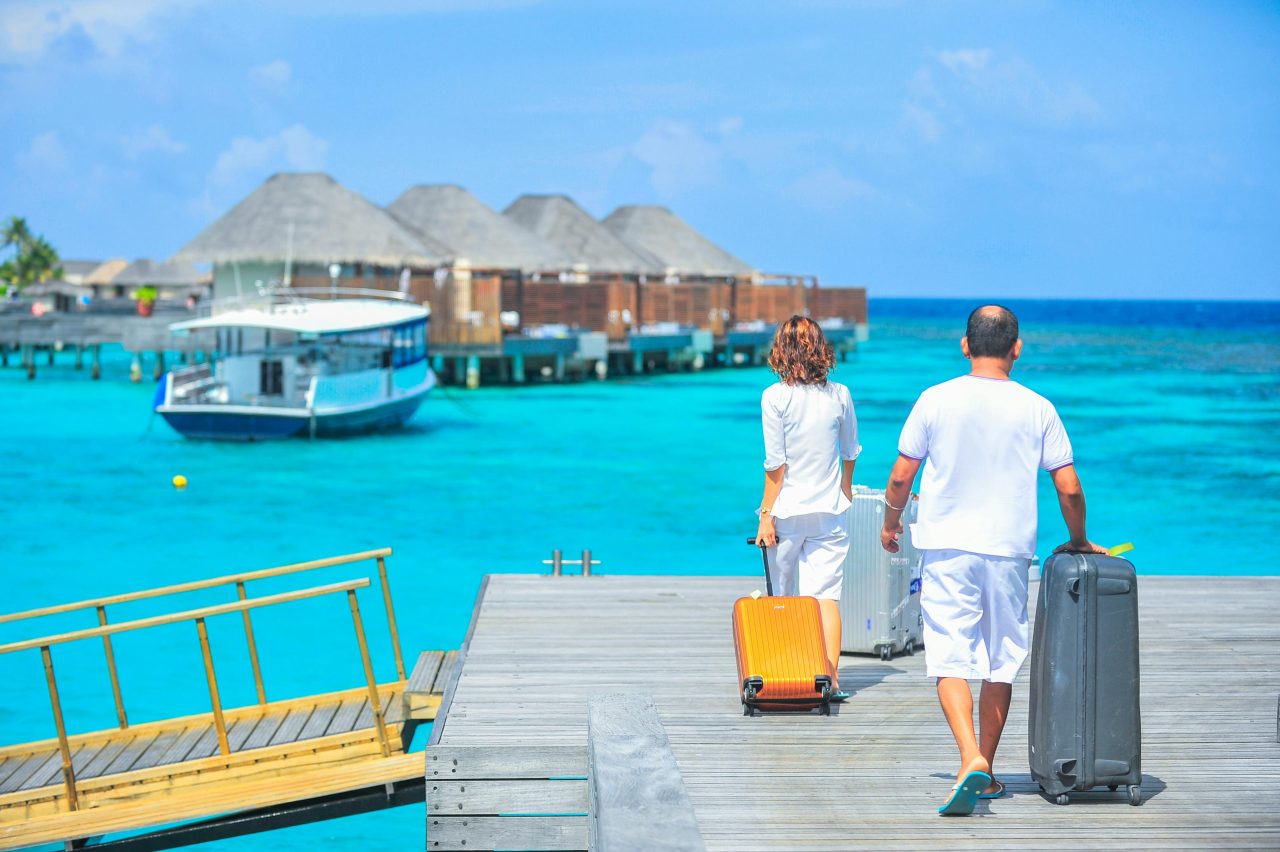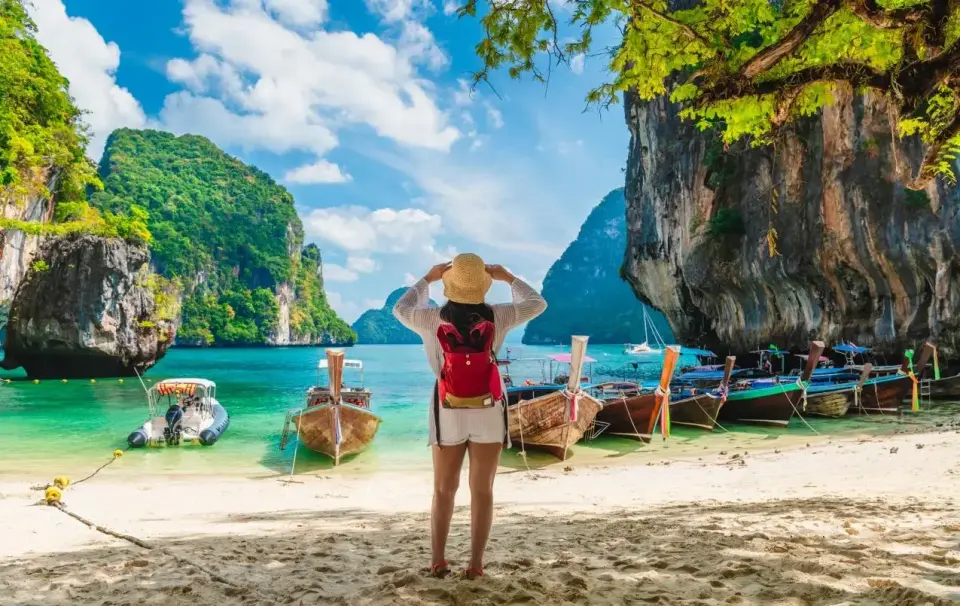
Thailand is one of Southeast Asia’s most diverse travel destinations. Within one country, travelers can explore energetic cities, ancient temples, peaceful mountain communities, tropical islands, beautiful beaches, busy markets, and a food culture that has become famous around the world.
The biggest challenge for first-time visitors is not finding things to do. It is deciding how to move between them. Thailand is geographically large, and different regions offer very different experiences. Bangkok feels completely different from Chiang Mai, while Phuket and Krabi provide another side of the country through beaches and island adventures.
A well-planned trip does not need to cover every famous destination. Choosing a few regions and allowing enough time in each place can make the journey more relaxing and enjoyable.
⚡ Key Takeaways at a Glance
- Seasonal Timing: Weather differs across Thailand, including between the Andaman coast (dry Nov–Apr) and the Gulf islands (dry Jan–Aug). Choose travel dates based on the specific region and check current seasonal guidance before booking.
- Respect Buddhist Culture: Cover shoulders and knees when visiting sacred temples and remove footwear at the entrance.
- Grab App for Transport: Where ride-hailing is available, check the quoted fare and service type in the app before confirming; availability and pricing can vary by area and trip.
- Island Transit Advice: Book high-speed catamarans (Lomprayah) in advance during peak season for Gulf island hops.
Start Your Journey in Bangkok
Bangkok is a natural starting point for many visitors because it provides an introduction to Thailand’s modern and traditional sides. The city combines enormous shopping centers and busy streets with historic temples, markets, canals, and neighborhoods filled with local restaurants.

Important cultural attractions include Wat Pho, Wat Arun, Wat Phra Kaew, and the Grand Palace area. Bangkok also offers markets and food districts where travelers can experience everyday city life. The Tourism Authority of Thailand highlights attractions such as Wat Phra Kaew, Wat Pho, Golden Mountain, Chatuchak Weekend Market, and several historic neighborhoods as major places to explore.
Instead of trying to see everything in one day, spend at least two or three days exploring different parts of Bangkok. This gives you time to visit cultural attractions during the day and experience the city’s restaurants and markets later.
Explore Historic Ayutthaya
Travelers interested in Thai history can add Ayutthaya to their itinerary. The former capital is known for historic temple ruins and archaeological sites that provide a very different atmosphere from modern Bangkok.
Ayutthaya can work well as a short trip from Bangkok, although staying overnight allows you to explore at a slower pace. Cycling, walking, and local transportation can be used to move between different historical areas.
The city is especially interesting for visitors who want to understand how Thailand developed before the rise of modern Bangkok.
Head North to Chiang Mai
Chiang Mai is one of Thailand’s most popular northern destinations and offers a combination of Lanna culture, temples, mountain scenery, markets, cafés, and outdoor experiences.
The Tourism Authority of Thailand lists attractions and experiences including Doi Suthep, Thapae Walking Street, Doi Inthanon, Nimmanhaemin Road, botanical gardens, mountain areas, and local communities.
Chiang Mai is a good place to slow down after the intensity of Bangkok. Visitors can spend mornings exploring temples, afternoons discovering local cafés or markets, and other days taking trips into the surrounding mountains.
If you enjoy nature, consider extending your northern journey beyond the city. Mountain areas and rural communities can provide a quieter perspective on Thailand.
Consider Chiang Rai for a Different Northern Experience
Chiang Rai is another northern destination that can be added to a longer Thailand itinerary. It is particularly suitable for travelers interested in temples, mountain landscapes, local culture, and a slower pace.
Because northern destinations are separated by considerable distances, it is worth checking transportation schedules before building your route. A few additional days can make a northern Thailand journey much more comfortable.
Travel South for Beaches and Islands
Southern Thailand is where many travelers go for tropical scenery. The region contains destinations on both the Andaman Sea and the Gulf of Thailand, including Phuket, Krabi, Koh Samui, Koh Tao, Koh Phi Phi, and Koh Lipe.
The best destination depends on what you want from your vacation. Some areas are known for beaches and nightlife, while others are better suited to snorkeling, diving, nature, relaxation, or island-hopping.
Rather than trying to visit several islands in a few days, choose one main base and explore nearby areas. Constantly changing hotels and boats can make a relaxing beach holiday surprisingly tiring.
Discover Phuket

Phuket is Thailand’s largest island and one of the country’s most established tourist destinations. It combines beaches, restaurants, resorts, nightlife, viewpoints, cultural attractions, and access to nearby islands.

The island has several well-known beaches, including Patong, Karon, Kata, Kamala, Nai Harn, and Mai Khao. The northern part of the island generally offers a quieter atmosphere than some of the busier southern areas.
Phuket is also more than beaches. Phuket Old Town provides an opportunity to explore historic architecture, local food, cafés, and cultural influences that have shaped the island.
For a balanced trip, consider combining beach time with Old Town, viewpoints, local restaurants, and a carefully selected boat excursion.
Explore Krabi and Ao Nang
Krabi is another excellent choice for travelers who want dramatic coastal scenery. The area is known for limestone cliffs, beaches, islands, coral reefs, caves, and outdoor activities. Ao Nang serves as a popular base for trips to nearby islands and beaches.
Krabi can be especially attractive to travelers who enjoy combining relaxation with outdoor adventures. Depending on your interests, you can spend one day on the beach, another exploring islands, and another visiting inland attractions.
If you plan to travel during a busy period, accommodation and boat trips should be considered in advance.
Choose an Island That Matches Your Travel Style
Thailand has many islands, and each has its own atmosphere. Koh Samui can work well for travelers looking for resorts, beaches, restaurants, and convenient tourist facilities. Koh Tao is particularly associated with diving and island experiences.
Koh Phi Phi is famous for dramatic scenery and island excursions, while Koh Lipe appeals to travelers interested in smaller-island surroundings and clear coastal waters.
There is no need to visit all of them. Selecting one island group based on your interests will usually create a more enjoyable vacation than trying to collect as many destinations as possible.
Understand Thailand’s Transportation Network
Thailand offers several ways to travel between destinations. The Tourism Authority of Thailand describes land, air, and boat transportation as the main options for getting around the country. Travelers can use buses, trains, vans, taxis, tuk-tuks, and other local transportation, while domestic flights connect Bangkok with many tourist destinations.
Trains can be an enjoyable option for travelers who want to experience the journey rather than simply reach their destination. Buses and minivans can be useful for shorter regional routes.
Domestic flights are practical when traveling between distant parts of the country. For example, flying can save considerable time when connecting Bangkok with northern or southern destinations.
Boats become important when visiting islands. Ferry schedules can vary depending on the route and conditions, so avoid planning extremely tight connections between a ferry and another important departure.
Plan Your Route Before Booking Hotels
One of the easiest ways to make a Thailand trip stressful is to book hotels randomly without considering geography.
A simple route might begin in Bangkok, continue north to Chiang Mai, return to Bangkok, and then head south to Phuket or Krabi. Another itinerary could focus entirely on central and northern Thailand without adding islands.
For a two-week trip, trying to include Bangkok, Chiang Mai, Phuket, Krabi, several islands, and multiple historical cities may leave you spending too much time in transit.
A smaller number of destinations usually provides more time for sightseeing, food, relaxation, and spontaneous discoveries.
Experience Thai Food
Food is one of the strongest reasons to travel around Thailand. Each region has its own traditions and specialties, and even familiar dishes can taste different depending on where they are prepared.

In Bangkok, visitors can find everything from street food and local markets to sophisticated restaurants. Northern Thailand offers dishes influenced by Lanna traditions, while southern cuisine is often known for bold flavors and seafood.
Try local dishes at different types of restaurants instead of limiting yourself to international menus. Markets and casual eateries can be excellent places to discover new flavors.
If you have food allergies or dietary restrictions, learn a few useful Thai phrases before your trip and communicate clearly with restaurant staff.
Respect Thai Culture
Thailand welcomes visitors from around the world, but travelers should remain respectful when visiting temples and religious sites.
Dress appropriately when entering temples, follow local instructions, and avoid disruptive behavior. Shoes may need to be removed in certain places, and visitors should pay attention to signs and guidance.
Photography should also be approached respectfully, especially around religious ceremonies and local residents.
A little cultural awareness can make interactions more pleasant and help visitors appreciate the country beyond its tourist attractions.
Decide How Long to Stay
The ideal trip length depends on how much of Thailand you want to explore.
A one-week vacation can focus on Bangkok and one additional destination. A ten-day trip provides more flexibility for combining Bangkok with either northern Thailand or a beach destination.
Two weeks allows travelers to combine Bangkok, Chiang Mai, and one southern destination without rushing too much.
For three weeks or longer, it becomes easier to explore additional islands, historical cities, or less-visited regions.
The key is not the number of destinations but the amount of time you can comfortably spend in each one.
Prepare for the Weather
Thailand has a tropical climate, but weather conditions vary between regions and throughout the year. Rainfall can affect different destinations at different times, and coastal conditions can influence boat trips.
Pack lightweight clothing, comfortable walking shoes, sun protection, and rain protection. A small waterproof bag can also be useful during boat journeys and sudden rain.
Before booking an island trip, check the expected weather and sea conditions. Outdoor activities are much more enjoyable when they fit the seasonal conditions.
Build a Flexible Daily Schedule
Thailand is best experienced without making every hour of the day rigid. Leave space for unexpected discoveries, long meals, markets, cafés, and rest.
For example, instead of scheduling five attractions in one day, choose two major places and allow the rest of the day to develop naturally.
This approach is especially useful in Bangkok, where traffic can affect journey times, and on islands, where weather can change outdoor plans.
A Simple Thailand Itinerary
A comfortable first trip could begin with three days in Bangkok. Use the first day to explore central attractions, the second for temples and historic areas, and the third for markets, shopping, food, or a nearby day trip.

Continue with three or four days in Chiang Mai. Explore the old city, temples, local food, markets, and surrounding mountain areas.
Finish with four or five days in Phuket or Krabi. Keep several days for beaches and relaxation while leaving time for one carefully selected island or nature excursion.
This itinerary can be shortened or expanded depending on your available vacation time.
Final Thoughts
Traveling around Thailand is less about checking every famous destination off a list and more about experiencing the different personalities of the country. Bangkok introduces visitors to a dynamic urban environment, northern Thailand provides mountains and cultural traditions, and the southern regions offer beaches, islands, and coastal landscapes.
The country’s extensive transportation network makes it possible to combine very different experiences in one journey.
The easiest approach is to choose destinations that naturally fit together, allow enough time for travel, and avoid changing hotels too frequently. Give yourself time to enjoy local food, explore neighborhoods, relax by the water, and experience places beyond the major tourist attractions.
With thoughtful planning and a flexible schedule, Thailand can become more than a collection of famous sights. It can be a journey through different landscapes, cultures, flavors, and ways of life, with each region adding something new to the experience.
💡 Temple Etiquette: Always pack lightweight trousers or a long sarong covering shoulders and knees to comply with temple dress codes across Thailand.
Related Southeast Asian Itineraries: Thailand is globally famous for its culinary landscape; complement your route planning with our guide to the best street foods to try in Bangkok. For island-hopping inspiration across the region, also see our curated guide to 12 best things to do in Bali.
Official Tourism Resources: For visa exemption updates, seasonal festival dates, and national park advisories, visit the Tourism Authority of Thailand (TAT) and review rail timetables via State Railway of Thailand.
Frequently Asked Questions
How much daily budget do you need for Thailand?
Budget backpackers can comfortably travel on $30 to $45 USD per day, while mid-range travelers enjoy boutique hotels and guided excursions for $70 to $120 USD daily.