New York City is a destination that can feel familiar even before you arrive. Its skyline appears in countless films and photographs, yet experiencing the city in person reveals a much more complicated and exciting place. Beyond its famous buildings and busy streets, New York offers historic neighborhoods, enormous parks, museums, waterfront views, diverse food, live entertainment, and countless opportunities to explore.
The city is made up of five boroughs, each with its own character, although many first-time visitors spend most of their time in Manhattan and nearby Brooklyn. A well-planned visit can combine famous landmarks with quieter experiences, giving travelers a better understanding of what makes New York so distinctive.
Here are 15 experiences worth considering for a first trip to the city.
⚡ Key Takeaways at a Glance
- OMNY Subway Tapping: Tap any contactless card or smartphone at subway turnstiles for the $3.00 base fare; MTA automatic OMNY fare capping limits weekly expenditure to $35 after 12 paid rides within a 7-day period using the same payment device.
- Stroll Brooklyn to Manhattan: Walk across the Brooklyn Bridge from the Brooklyn side to face the iconic Manhattan skyline.
- Broadway Ticket Hacks: Visit the official TKTS booth under the red steps in Times Square or check digital rush and lottery platforms (such as TodayTix or Broadway Direct) for variable same-day discounts, subject to daily performance availability.
- Explore Beyond Midtown: Spend time in Greenwich Village, SoHo, and the Lower East Side for historic charm and authentic food.
1. Visit the Statue of Liberty

The Statue of Liberty is one of the most recognizable landmarks in the United States and an essential stop for many first-time visitors. Located on Liberty Island in New York Harbor, the statue has welcomed generations of visitors arriving in the country.

A visit can be combined with Ellis Island, where travelers can learn more about the history of immigration to the United States. Taking a boat across the harbor also provides excellent views of Lower Manhattan and the surrounding waterfront.
Try to allow several hours for the complete experience rather than treating the Statue of Liberty as a quick photo stop. The harbor views alone can make the journey worthwhile.
2. Explore Central Park

Central Park provides a remarkable contrast to Manhattan’s dense collection of skyscrapers. The enormous green space contains walking paths, gardens, bridges, ponds, recreational areas, and scenic viewpoints.
You can spend an entire afternoon exploring the park without following a strict itinerary. Walking is one of the best ways to experience it because different sections have their own atmosphere.
Visitors can also explore attractions such as Bethesda Terrace, Bow Bridge, The Mall, and Strawberry Fields. Central Park is particularly enjoyable when you simply slow down and allow yourself time away from the busiest streets.
3. Experience Times Square

Times Square is one of the most energetic areas of New York City. Giant digital displays, theaters, restaurants, stores, and crowds create an environment unlike almost anywhere else.
It can be extremely busy, but that is part of its character. Visiting after sunset allows you to experience the illuminated signs at their most dramatic.
Times Square is also an excellent starting point for exploring the Broadway Theater District. If you plan to see a show, check schedules and ticket availability before your trip.
4. See New York From the Empire State Building
The Empire State Building has been part of New York’s skyline for generations and remains one of the city’s most recognizable buildings. Its observation areas provide views across Manhattan and beyond.
Seeing the city from above gives you a different perspective on its enormous scale. During clear weather, the skyline stretches far into the distance.
Consider visiting around sunset if you want to experience the city changing from daylight to an illuminated urban landscape. Because popular observation times can become busy, advance planning can make the visit easier.
5. Walk Across the Brooklyn Bridge

Walking across the Brooklyn Bridge is one of the simplest ways to experience New York’s architecture and waterfront scenery. The pedestrian walkway provides views of the Manhattan skyline, East River, and surrounding bridges.
Start from Manhattan or Brooklyn depending on your itinerary. After crossing, continue exploring Brooklyn rather than immediately returning.
The nearby DUMBO area offers cobblestone streets, waterfront parks, cafés, restaurants, and famous city views. Combining the bridge walk with Brooklyn exploration can turn a short activity into half a day of sightseeing.
6. Walk the High Line

The High Line is an elevated public park created from a former railway structure on Manhattan’s West Side. It provides a completely different way to see the city.
Walking along the park gives visitors views of modern architecture, streets below, gardens, public art, and the Hudson River.
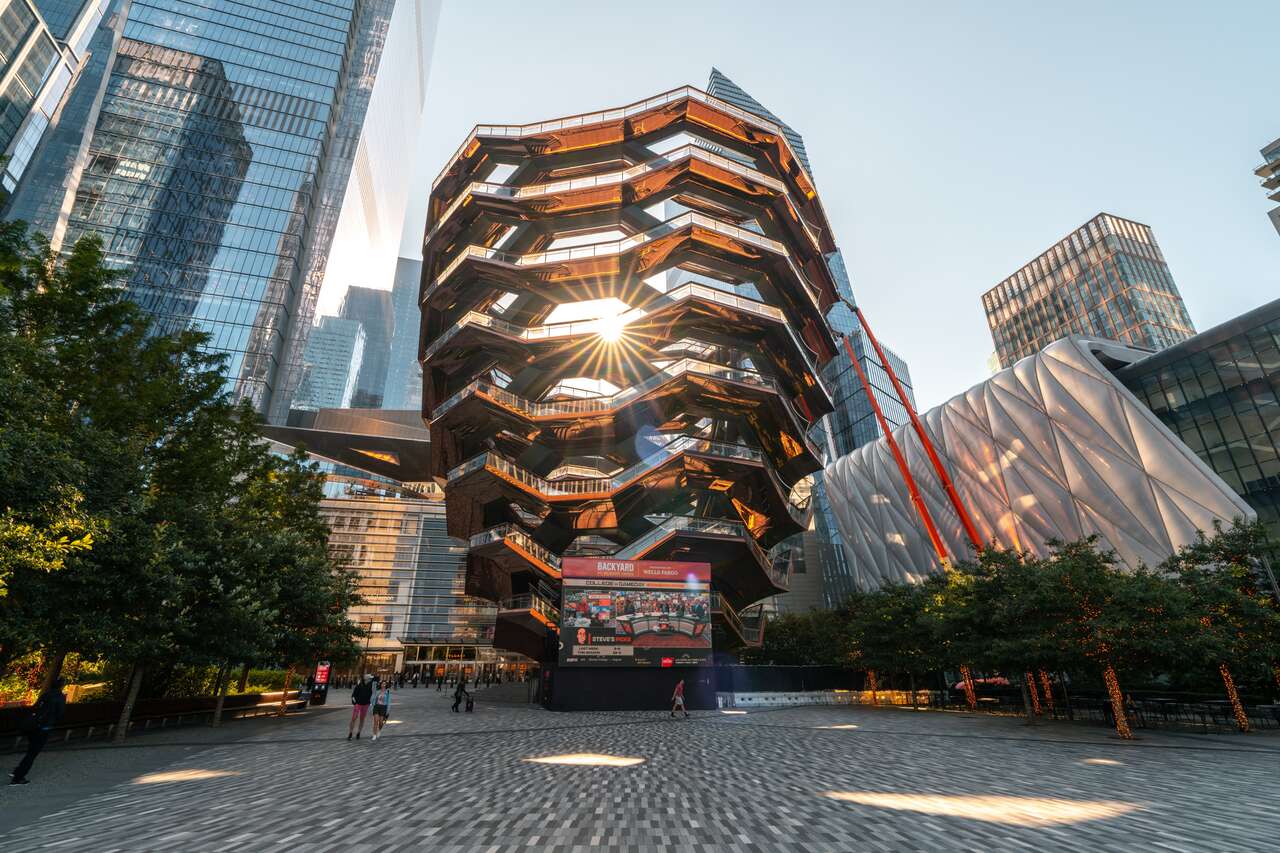
The High Line can be combined with Chelsea Market and Hudson Yards, making it an efficient part of a larger sightseeing day. Take your time rather than treating it as a simple route from one neighborhood to another.
7. Visit the Metropolitan Museum of Art
The Metropolitan Museum of Art is one of New York’s most important cultural institutions. Its collections cover thousands of years of art and include works from numerous regions and civilizations.
The museum is so large that seeing everything in one visit is unrealistic. Choose a few sections that interest you most and explore them carefully.
For visitors who enjoy history, painting, sculpture, decorative arts, or ancient cultures, the museum can easily become one of the highlights of a New York trip.
8. Discover the Museum of Modern Art
The Museum of Modern Art, commonly known as MoMA, is another major cultural attraction. Its collections include modern and contemporary works from influential artists.
Even visitors who do not normally spend much time in museums may find something interesting because the collection includes famous works alongside changing exhibitions.
Check current exhibitions before visiting because temporary displays can add something different to the experience depending on when you travel.
9. Experience Broadway
New York is one of the world’s great theater cities, and seeing a Broadway production can become a memorable part of a visit.
The Theater District contains numerous venues presenting musicals, plays, and other productions. Choose a show based on your interests rather than assuming that the most famous production will necessarily be the best match for you.
If ticket prices are a concern, research different ticket options and availability before your visit. Flexible travelers may find opportunities to attend performances without paying the highest prices.
10. Explore Greenwich Village and SoHo
New York becomes more interesting when you move away from the major landmarks. Greenwich Village is known for its historic streets, restaurants, cafés, and artistic associations.
Nearby SoHo provides a very different atmosphere, with cast-iron architecture, galleries, boutiques, restaurants, and fashionable shopping areas.
Walking through these neighborhoods is often more enjoyable than following a strict list of attractions. Give yourself time to explore side streets and discover places naturally.
11. Visit the 9/11 Memorial and Museum
The 9/11 Memorial and Museum provides a place for reflection and historical learning at the World Trade Center site.
The memorial’s pools occupy the locations of the former Twin Towers, while the museum presents historical material related to the September 11 attacks and their aftermath.
This is a serious and emotionally significant attraction, so visitors should allow enough time to explore respectfully rather than rushing through it between other activities.
12. Explore Grand Central Terminal
Grand Central Terminal is more than a transportation hub. Its historic architecture, enormous main concourse, shops, restaurants, and distinctive details make it an interesting stop even for visitors who are not catching a train.
Look upward in the main concourse to see its famous ceiling design, then spend some time exploring the building.
Its location also makes it convenient to combine with nearby Midtown attractions such as Bryant Park, the New York Public Library, Rockefeller Center, and Fifth Avenue.
13. Visit Rockefeller Center
Rockefeller Center is another iconic part of Midtown Manhattan. The complex is known for its architecture, public spaces, entertainment venues, shops, and seasonal traditions.
The area becomes particularly famous during the holiday season, but it remains interesting throughout the year.
Visitors can also choose to experience Top of the Rock, an observation attraction offering panoramic views of Manhattan. The view includes a particularly memorable perspective toward the Empire State Building.
14. Explore New York’s Food Scene
Food is one of the easiest ways to experience New York’s cultural diversity. The city offers restaurants and markets representing communities from around the world.
Try classic New York foods such as pizza, bagels, cheesecake, and deli sandwiches, but also explore cuisines associated with neighborhoods across the city.
New York’s food culture extends well beyond Manhattan. Queens, Brooklyn, the Bronx, and other areas offer their own culinary traditions and communities.
Instead of planning every meal around famous restaurants, consider visiting local cafés, markets, bakeries, and neighborhood restaurants. This can make your trip feel more connected to everyday New York.
15. Explore Beyond Manhattan
Although Manhattan contains many of the city’s famous landmarks, New York City extends far beyond it. Brooklyn, Queens, the Bronx, and Staten Island each provide different experiences.
Brooklyn offers waterfront neighborhoods, parks, restaurants, cultural attractions, and skyline views. Queens is known for its remarkable cultural diversity and food scene. The Bronx contains attractions including the Bronx Zoo and New York Botanical Garden.
Travelers with additional time should consider exploring at least one borough beyond Manhattan. New York’s official tourism organization highlights attractions and experiences throughout all five boroughs, including museums, parks, waterfront areas, and cultural venues.
How to Plan Your New York City Visit
New York is easier to explore when attractions are grouped by location. For example, Central Park can be combined with museums along Fifth Avenue, while the High Line can be paired with Chelsea Market and Hudson Yards.
Avoid scheduling attractions on opposite sides of the city on the same afternoon. Walking and public transportation can be efficient, but traffic and crowds can still affect journey times.
Give yourself free time each day. New York is a city where wandering through a neighborhood, finding a small restaurant, or sitting in a park can become just as enjoyable as visiting a major attraction.
How Many Days Do You Need
A first visit of three days can cover several major landmarks, but four to five days provides considerably more breathing room.
With three days, focus on the major areas of Manhattan and choose only a few museums or ticketed attractions. With five days, you can explore Brooklyn, spend more time in museums, see a Broadway production, and discover additional neighborhoods.
A longer stay makes it easier to explore the city’s less tourist-focused areas. New York currently promotes numerous free and affordable attractions across the five boroughs, so travelers do not need to spend heavily every day to enjoy the city.
Final Thoughts
New York City is not a destination that needs to be experienced at full speed. Its most famous landmarks deserve attention, but some of the city’s most memorable moments can happen between those attractions.
Walk through Central Park, watch the skyline from Brooklyn, explore neighborhood restaurants, browse a museum, take the subway to an unfamiliar area, or simply spend an evening observing the energy of Times Square.
A balanced itinerary that combines major sights with unplanned exploration will give you a richer experience. Whether you visit for a long weekend or an extended vacation, New York offers enough history, culture, architecture, food, entertainment, and everyday city life to make every visit feel different.
💡 Observation Deck Advice: Choose Summit One Vanderbilt or Top of the Rock over the Empire State Building if you want photographs that actually include the Empire State Building itself.
Related Urban & Architectural Guides: If you enjoy world-class civic architecture, public libraries, and vibrant food districts across the United States, compare your New York City experience with our West Coast guide to Cerritos, California. For tips on navigating metropolitan room rates, read our guide on how to choose the right hotel for your next trip.
Official Civic Resources: Verify live subway status, OMNY contactless tap-and-go fares, and official city passes with NYC Tourism + Conventions and the Metropolitan Transportation Authority (MTA).
Frequently Asked Questions
What is the fastest way to travel through NYC?
The NYC Subway runs 24/7. Simply tap your contactless debit card or smartphone at OMNY turnstiles for the $3.00 base fare (effective 2026), with automatic 7-day OMNY fare capping ($35 maximum) after 12 paid rides when using the exact same contactless card or mobile device.