Rome is a city where the past is never far away. Ancient ruins appear between modern streets, fountains decorate lively squares, and historic churches stand alongside cafés and restaurants filled with visitors and locals. Few destinations offer such an extraordinary combination of ancient history, art, architecture, religion, food, and everyday city life.
For a first-time visitor, Rome can feel overwhelming because there is so much to see. The city contains famous archaeological sites, world-renowned museums, beautiful neighborhoods, magnificent churches, and countless smaller details that are easy to miss when rushing between attractions.
The best way to experience Rome is to create a balanced itinerary. Visit the major landmarks, but also leave time to walk, eat, relax in public squares, and discover the streets between the famous sights. These experiences can help you make the most of your first trip to the Eternal City.
⚡ Key Takeaways at a Glance
- Book Months Ahead: Colosseum and Vatican Museum admissions require mandatory timed-entry reservations that often sell out weeks in advance; secure tickets early via official portals (Parco archeologico del Colosseo and Musei Vaticani; verified 2026 rules).
- Visit Trevi at Sunrise: Visiting the Trevi Fountain in the early morning (around 6:30 AM to 7:30 AM) generally offers a much calmer experience with substantially fewer visitors before organized tour groups arrive.
- Free Water Fountains: Bring a reusable bottle; Rome has over 2,500 historic drinking fountains (nasoni) with pure cold water.
- Trastevere for Dinner: Cross the Tiber River into Trastevere for traditional Roman trattorias and vibrant evening energy.
1. Explore the Colosseum
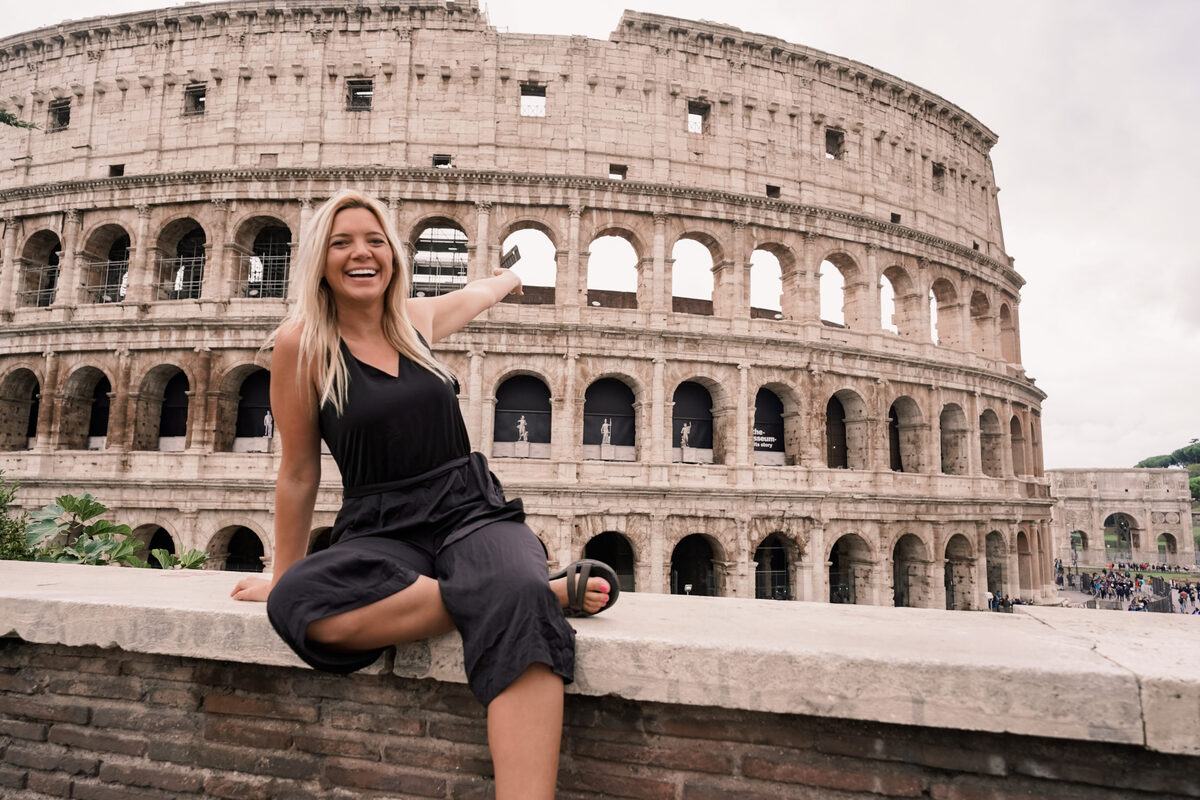
The Colosseum is one of Rome’s most recognizable landmarks and one of the strongest reminders of the city’s ancient past. This enormous amphitheater was used for public spectacles during the Roman Empire and remains one of the most visited historical sites in the city.

Walking around the exterior gives you an immediate sense of its enormous scale, while entering the structure allows you to learn more about its architecture and history.
A visit to the Colosseum is often combined with the Roman Forum and Palatine Hill. Planning these attractions together makes sense because they are closely connected and collectively provide a much deeper understanding of ancient Rome.
2. Walk Through the Roman Forum
The Roman Forum was once an important center of political, religious, and commercial life. Today, its remains include temples, arches, government buildings, roads, and other archaeological structures.
Walking through the ruins can feel very different from visiting a traditional museum. Instead of viewing ancient objects behind glass, you are moving through the remains of the environment where Roman public life once took place.
Take your time and look beyond the most recognizable ruins. The combination of archaeological remains and surrounding hills creates some of the most interesting historical scenery in central Rome.
3. Climb Palatine Hill
Palatine Hill is traditionally associated with the origins of Rome and offers an elevated perspective over parts of the ancient city.
The hill contains archaeological remains, gardens, pathways, and viewpoints. It can be visited as part of the same archaeological area as the Roman Forum and Colosseum.
Because there is considerable walking involved, comfortable footwear is important. Take breaks when necessary and avoid rushing through the area simply to reach the next attraction.
4. Visit the Vatican Museums

The Vatican Museums contain one of the world’s most extensive collections of art and historical objects. Visitors can explore galleries filled with sculptures, paintings, tapestries, maps, and works from different periods.
The museums are particularly famous for the Sistine Chapel, whose ceiling was painted by Michelangelo.
Because the complex is large, allow several hours for the visit. Advance planning is useful because the Vatican Museums can be extremely busy, particularly during popular travel periods.
5. See St Peter’s Basilica
St Peter’s Basilica is one of the most important churches in the Catholic world and one of the most impressive architectural landmarks in Rome.
The enormous interior contains remarkable artwork, sculptures, chapels, and architectural details. Visitors can also explore the surrounding area of St Peter’s Square.
Dress respectfully when visiting the basilica and follow any current rules regarding security, photography, and access.
For travelers interested in architecture, history, or religious heritage, this is an attraction that deserves more than a brief stop.
6. Make a Wish at the Trevi Fountain
The Trevi Fountain is one of Rome’s most famous public landmarks. Its elaborate Baroque design makes it particularly impressive when viewed up close.
The fountain is located in a busy part of central Rome, surrounded by narrow streets, restaurants, cafés, and shops.
Visit early in the morning if you want a calmer experience. Evening visits can also be atmospheric when the surrounding area is illuminated.
The traditional coin-tossing custom is popular among visitors, but the most enjoyable part may simply be taking time to appreciate the sculpture and architecture.
7. Explore the Pantheon

The Pantheon is one of Rome’s most remarkable ancient structures. Its enormous dome and famous central opening demonstrate the engineering abilities of Roman builders.
Unlike some ancient sites that survive mainly as ruins, the Pantheon remains remarkably complete and provides a powerful sense of how ancient architecture can survive through centuries of change.
Its location in the historic center makes it easy to combine with Piazza Navona, the Trevi Fountain, and nearby streets.
8. Relax in Piazza Navona
Piazza Navona is one of Rome’s most famous squares and is surrounded by historic architecture, fountains, restaurants, and cafés.
The square’s long shape reflects its earlier history, while its fountains and surrounding buildings create an impressive urban setting.
Instead of simply taking photographs and leaving, find a comfortable place to sit and observe the activity around you. Public squares are an important part of Rome’s social life, and spending time in them can make your visit feel less rushed.
9. Explore Trastevere
Trastevere provides a more neighborhood-focused experience. Its narrow streets, colorful buildings, restaurants, small shops, and lively evening atmosphere make it popular with travelers who want to experience another side of Rome.
Walking through the neighborhood is one of the best ways to explore it. There is no need to follow a strict attraction list.
Visit during the late afternoon and stay into the evening if you enjoy dining and lively streets. The area can become busy, but exploring quieter side streets can reveal a more relaxed atmosphere.
10. Visit the Spanish Steps
The Spanish Steps connect the Piazza di Spagna with the area above it and have become one of Rome’s best-known meeting points.
The surrounding neighborhood contains elegant streets, boutiques, cafés, and historic buildings. It is particularly attractive for travelers who enjoy architecture and shopping.
Remember that the steps are a public monument and should be treated respectfully. Visitors should follow current local rules regarding sitting, eating, and behavior.
11. Discover Villa Borghese
Villa Borghese is one of Rome’s most important green spaces and offers a welcome break from busy archaeological and urban areas.
The park contains walking paths, gardens, viewpoints, museums, and recreational spaces.
The Galleria Borghese is especially important for art lovers. Its collection includes major works of sculpture and painting, but advance planning is recommended because entry can be limited.
Even without visiting the gallery, spending time in the park can provide a quieter part of your Rome itinerary.
12. Explore Campo de’ Fiori and Local Markets
Rome’s markets offer a different experience from its monumental attractions. Campo de’ Fiori is one of the city’s well-known market squares and has a long history as a public gathering place.
Exploring the stalls can introduce visitors to fresh produce, flowers, food products, and local activity.
Markets are best experienced at a relaxed pace. Look around before buying anything and remember that some stalls are designed primarily for everyday shopping rather than tourism.
13. Try Authentic Roman Food
Food should be an important part of any first trip to Rome. Roman cuisine is known for dishes that use relatively simple ingredients but rely on technique and quality.
Classic pasta dishes such as carbonara, cacio e pepe, amatriciana, and gricia are closely associated with Roman cooking.
Pizza al taglio is another convenient choice for travelers who want a quick meal while sightseeing. Gelato can provide an easy treat between attractions.
Try restaurants away from the busiest tourist streets when possible. Exploring neighborhood dining areas can lead to more varied experiences and a better sense of everyday Roman life.
14. Walk Along the Tiber River
The Tiber River runs through Rome and provides a different perspective on the city.
Walking along sections of the river can be relaxing after spending several hours among crowded tourist attractions. Bridges provide views of the water and surrounding architecture, while some riverside areas become particularly pleasant later in the day.
A river walk can also connect different parts of the city without requiring another trip through busy streets.
15. Discover Rome at Night
Rome changes character after sunset. Historic buildings, fountains, squares, and streets can feel completely different under evening lighting.
A nighttime walk through the historic center can be an excellent way to see places such as the Trevi Fountain, Piazza Navona, and the Pantheon without dedicating another full sightseeing day.
Stay aware of your surroundings, especially in crowded areas, and keep personal belongings secure. After a long day, an evening walk followed by a relaxed Italian dinner can be one of the simplest pleasures of a Rome vacation.
How to Plan Your First Rome Trip
Rome is easier to explore when attractions are grouped by location. The Colosseum, Roman Forum, and Palatine Hill work naturally together, while the Pantheon, Piazza Navona, Trevi Fountain, and Spanish Steps can form another walking-focused day.
The Vatican area deserves separate planning because the museums and basilica can take several hours.
Avoid scheduling too many major attractions on the same day. Historical sites require time to appreciate, and walking between them can be tiring.
Leave room for meals, cafés, photographs, and spontaneous discoveries. Rome is a city where the journey between attractions can be just as memorable as the attractions themselves.
How Many Days Are Enough
Three days can provide a useful introduction to Rome, but four or five days allow you to experience the city more comfortably.

A three-day itinerary could focus on ancient Rome, the Vatican, and the historic center. A longer visit allows additional time for Trastevere, Villa Borghese, local markets, museums, and less crowded neighborhoods.
Travelers staying for a week can explore beyond the central tourist areas and consider day trips to nearby destinations.
Tips for First-Time Visitors
Wear comfortable shoes because Rome involves a considerable amount of walking. Ancient streets and historic areas can also have uneven surfaces.
Book popular attractions in advance when possible, especially if you want to visit at a particular time. Check current opening arrangements before traveling because schedules can change.
Carry a reusable water bottle and take advantage of public drinking fountains where appropriate. During warmer months, sun protection and regular breaks become particularly important.
When entering churches and religious sites, dress respectfully and follow local instructions.
Most importantly, do not measure the success of your trip by the number of attractions you manage to visit. A slower itinerary can allow you to appreciate Rome much more deeply.
Final Thoughts
Rome is not simply an outdoor museum filled with ancient ruins. It is a living city where history, culture, religion, food, art, and modern life exist side by side.
The Colosseum and Roman Forum reveal the scale of ancient Rome, while the Vatican introduces visitors to extraordinary religious art and architecture. Places such as Trastevere, Piazza Navona, Campo de’ Fiori, and the city’s many cafés reveal a more everyday side of the capital.
For a first visit, focus on the experiences that interest you most and give yourself time to enjoy them. Walk whenever practical, eat slowly, explore beyond the major landmarks, and allow yourself to get slightly lost in the historic streets.
That combination of famous sights and ordinary moments is what can make a first trip to Rome feel much more personal and memorable.
💡 Rome Booking Advice: Use official ticket portals (Colosseum Archaeological Park and Musei Vaticani) and check when tickets for your dates are released; book as early as the official booking window permits to avoid inflated third-party markups.
Related Italian Travel Guides: To expand your travels beyond the Eternal City, explore our comprehensive guide to the 15 best places to visit in Italy, and learn what to order between sightseeing stops with our guide to 15 foods you must try when visiting Italy.
Official Heritage Resources: For verified Colosseum and Roman Forum timed reservations, consult the official Parco Archeologico del Colosseo Portal and municipal city information at Turismo Roma.
Frequently Asked Questions
Is 3 days in Rome enough for a first trip?
Yes, three full days allow you to see ancient Rome, Vatican City, and famous fountains like Trevi and Piazza Navona comfortably.
When is the best time of year to visit Rome?
April to May and late September to October offer mild temperatures and manageable crowds compared to intense midsummer heat.