Italy is famous around the world for its art, historic cities, beautiful landscapes, and remarkable cultural heritage, but food is one of the most memorable parts of traveling through the country. Italian cuisine is not simply about pasta and pizza. Every region has its own ingredients, cooking methods, traditional dishes, and food customs that reflect local history and geography. From the northern mountains to the Mediterranean islands, travelers can discover an enormous variety of flavors during a single trip.
Italian food is also closely connected with everyday life. Meals are often prepared with simple ingredients and careful attention to freshness and quality. Pasta, cheese, vegetables, olive oil, seafood, bread, and regional meats appear in countless combinations. Italy’s official tourism organization describes this regional diversity as one of the defining strengths of the country’s culinary traditions.
If you are planning your first trip to Italy, trying local dishes should be part of your travel experience. The following 15 foods offer a useful introduction to some of the country’s most recognizable and interesting culinary traditions.
⚡ Key Takeaways at a Glance
- Cappuccino Etiquette: Cappuccino is commonly associated with breakfast in Italy, but visitors can order it at other times; customs vary and it is not a legal rule.
- No Cream in Carbonara: Authentic Roman carbonara uses only guanciale, pecorino romano, egg yolks, and black pepper.
- Coperto Charge: Some restaurants list a coperto or service charge; check the menu and bill because charges and practices vary by region.
- Gelato Quality Check: Natural artisanal gelato uses subdued, natural colors; avoid neon-bright green or blue displays.
1. Neapolitan Pizza
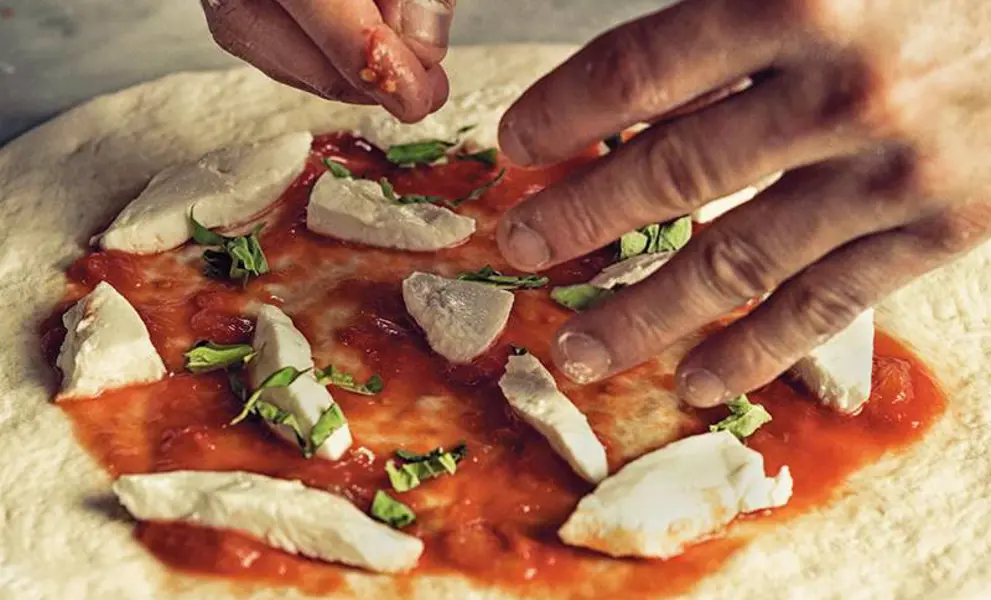
Few foods are more closely associated with Italy than pizza, and Naples is one of the most important places to experience its traditional form. Neapolitan pizza is known for its soft, airy crust, simple tomato base, and carefully selected toppings. Classic versions often feature tomato, mozzarella, and fresh basil.

The traditional art of Neapolitan pizzaiuolo has also been recognized as UNESCO Intangible Cultural Heritage. When visiting Naples, ordering a freshly prepared pizza from a traditional pizzeria can be a memorable way to experience the city’s food culture.
2. Fresh Pasta
Fresh pasta provides a completely different experience from many packaged pasta dishes found around the world. Depending on the region, you may encounter handmade pasta in shapes and textures that are difficult to find elsewhere.
Pasta is deeply connected with Italian culinary traditions, and there are hundreds of recognized pasta shapes across the country. Different regions have developed their own combinations of pasta, sauces, vegetables, cheese, and meat.
3. Carbonara
Carbonara is one of Rome’s best-known dishes and a favorite among travelers who enjoy rich and satisfying pasta. Traditional versions generally combine pasta with eggs, hard cheese, cured pork, and black pepper.
A good carbonara depends on technique rather than a long list of ingredients. The sauce should become creamy through the combination of eggs, cheese, pasta water, and heat. When visiting Rome, trying carbonara in a traditional trattoria can help you appreciate how different authentic regional cooking can be from international versions.
4. Risotto alla Milanese
Northern Italy offers a different culinary style from the Mediterranean south, and risotto alla Milanese is a classic example. This creamy rice dish is associated with Milan and is traditionally distinguished by its golden color and delicate saffron flavor.
The dish demonstrates an important characteristic of Italian cooking. A relatively small number of ingredients can create a sophisticated meal when they are prepared carefully. Visitors exploring Milan should consider trying this specialty alongside other foods from Lombardy.
5. Lasagna
Lasagna is one of Italy’s most internationally recognized comfort foods. Traditional Italian versions can vary depending on the region, but the dish commonly features layers of pasta, sauce, cheese, and other ingredients.
Lasagna is particularly associated with Emilia-Romagna, a region famous for its rich culinary traditions. Trying regional lasagna in Italy gives travelers an opportunity to discover differences in pasta texture, sauces, fillings, and preparation that may not be obvious when eating the dish elsewhere.
6. Bolognese Pasta
Bologna is famous for its food culture, and dishes associated with the city are an important part of Italy’s culinary identity. Pasta served with a slow-cooked meat sauce is among the best-known examples.

One interesting part of experiencing this food in Italy is discovering how local traditions differ from versions commonly served internationally. Regional Italian cooking often places emphasis on particular pasta shapes and carefully prepared sauces rather than simply covering pasta with a heavy tomato mixture.
7. Gnocchi
Gnocchi are soft dumplings that can be made using potatoes, flour, and other ingredients depending on the recipe. Their soft texture makes them particularly satisfying when served with a flavorful sauce.
Different parts of Italy prepare gnocchi in their own ways, making this another food worth trying more than once during a longer trip. A simple preparation with butter and herbs can taste completely different from a tomato-based version served in another region.
8. Pesto Genovese
Travelers visiting Liguria should look for traditional pesto, especially in and around Genoa. Pesto Genovese is commonly prepared with basil, pine nuts, garlic, hard cheese, and olive oil.
Its bright flavor makes it especially enjoyable with pasta, although pesto can appear in several other preparations as well. Italy’s tourism resources specifically highlight Genoa and Liguria as destinations for discovering traditional pesto and regional gastronomic experiences.
9. Saltimbocca alla Romana

Translating literally to “jumps in the mouth,” Saltimbocca alla Romana is one of the most celebrated meat dishes of the Roman culinary tradition. Thin escalopes of tender milk-fed veal are lined with fresh sage leaves and draped with delicate slices of savory prosciutto crudo, pinned together with a toothpick. Sautéed briskly in clarified butter and deglazed with dry white Frascati wine, the meat remains tender while the pan juices reduce into a fragrant, glossy sauce. Served hot alongside roasted rosemary potatoes or seasonal Roman artichokes (carciofi), it is an indispensable second course (secondo piatto) in authentic Roman trattorias.
10. Arancini
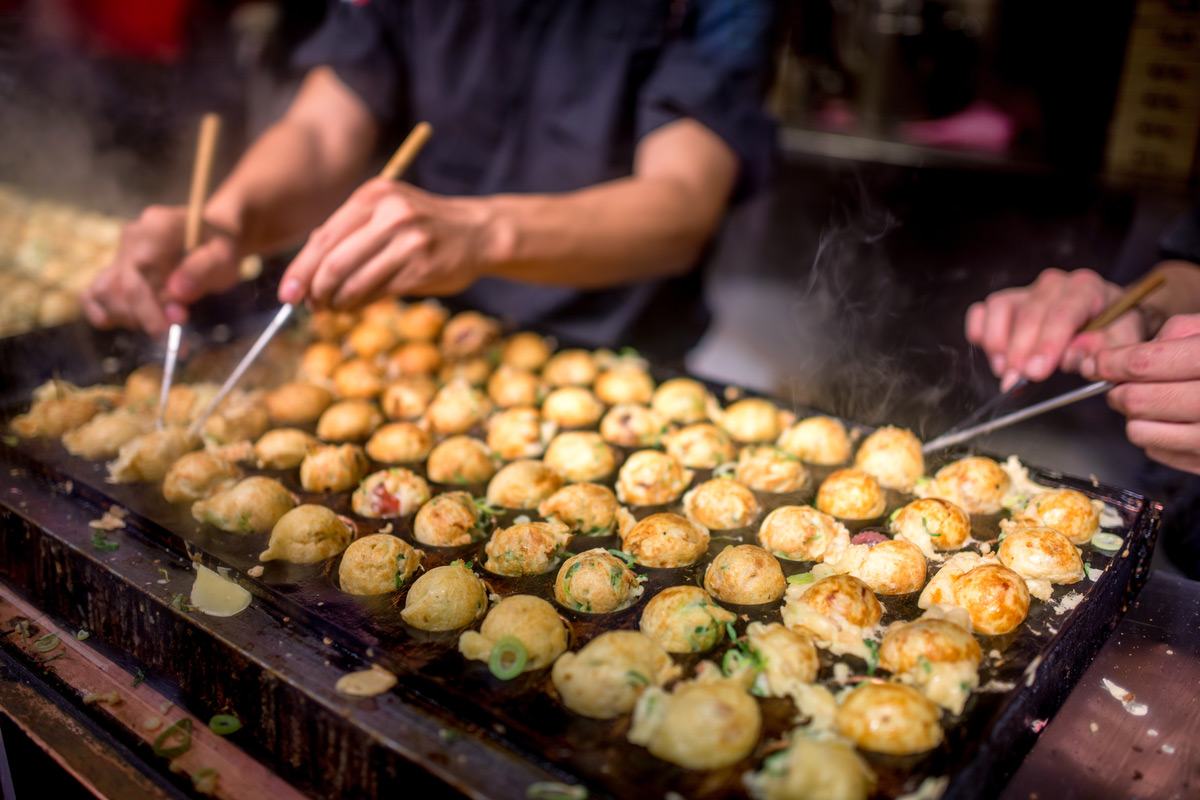
Sicily offers some of Italy’s most distinctive street foods, and arancini are among the most recognizable. These fried rice specialties are generally shaped into balls or cones and filled with ingredients such as meat sauce, cheese, or vegetables.
They are convenient for travelers because they can be enjoyed as a quick meal while exploring cities and towns. Their crispy exterior and warm filling make them particularly appealing when you want something substantial without sitting down for a long meal.
11. Focaccia
Focaccia is a soft, oven-baked bread that can be found in different forms throughout Italy. Liguria is especially well known for its focaccia traditions.
The bread can be enjoyed on its own or topped with ingredients such as herbs, olives, onions, or tomatoes. Its simplicity makes it an excellent example of how Italian cuisine can turn basic ingredients into something flavorful and satisfying.
12. Florentine Steak
Travelers who enjoy meat should consider trying bistecca alla Fiorentina while visiting Tuscany. This large-cut steak is strongly associated with Florence and traditional Tuscan dining.

It is generally known for its substantial size and straightforward preparation, allowing the quality and flavor of the meat to remain central. Because regional food is such an important part of Italian culture, trying this dish in Tuscany offers more than just a meal. It provides a connection with the culinary traditions of the area.
13. Gelato
No Italian food journey would feel complete without gelato. Although gelato has become popular around the world, enjoying freshly made gelato in Italy provides a different experience because of the variety of flavors and traditional preparation methods.
You can find classic flavors such as pistachio, chocolate, hazelnut, coffee, and stracciatella, along with seasonal fruit combinations. Italy’s tourism organization describes artisanal gelato as an important part of the country’s gastronomic tradition.
One useful tip is to look for gelato that appears freshly prepared and has a natural appearance rather than choosing a shop based only on extremely tall or brightly colored displays.
14. Tiramisu

Tiramisu is one of Italy’s most beloved desserts and is widely available throughout the country. It generally combines coffee-soaked ladyfingers with a creamy mascarpone mixture and cocoa.
The dessert is rich but relatively light in texture, making it a popular choice after a traditional Italian meal. Different restaurants may prepare it with slightly different proportions and techniques, so trying it in several places can be an enjoyable part of your food exploration.
15. Cannoli
Cannoli are among Sicily’s most famous desserts. These crisp pastry tubes are traditionally filled with a sweet ricotta-based filling and may be decorated with ingredients such as pistachios, chocolate, or candied fruit.
The contrast between the crunchy shell and creamy filling makes cannoli particularly memorable. If you are traveling through Sicily, trying a freshly filled cannolo from a respected local pastry shop can be one of the highlights of your culinary journey.
How to Experience Italian Food Like a Local
One of the best ways to enjoy food in Italy is to think beyond famous dishes. Regional cuisine is one of the country’s defining characteristics, and food traditions can change dramatically between neighboring areas.
Instead of ordering the same familiar meal everywhere, look for dishes associated with the region you are visiting. Ask restaurant staff about local specialties and explore smaller trattorias, bakeries, markets, and traditional food shops. These places can reveal foods that may never appear on an international Italian restaurant menu.
It is also worth slowing down during meals. Italian dining is often connected with conversation, family, hospitality, and the enjoyment of regional ingredients. A meal does not always need to be rushed between sightseeing stops. Giving yourself time to enjoy it can make the experience much more memorable.
Planning a Food-Focused Trip Through Italy
A food-focused Italian journey can be planned around several regions rather than a single city. Naples is an obvious destination for traditional pizza, Rome offers famous pasta dishes, Milan is associated with northern specialties, Bologna provides access to Emilia-Romagna’s celebrated culinary traditions, Tuscany offers distinctive countryside cuisine, and Sicily provides a wide selection of Mediterranean and island specialties.
The country’s official tourism resources emphasize that Italian food culture extends across regions, with northern, central, southern, and island cuisines reflecting different landscapes, histories, and local ingredients.
This variety means that travelers do not need to search for one perfect Italian dish. The real experience comes from discovering how food changes as you travel.
A Delicious Way to Discover Italy
Italy is a destination where food can become part of the journey rather than simply something eaten between attractions. A plate of pasta in Rome, pizza in Naples, risotto in Milan, pesto in Liguria, gelato during an evening walk, or a Sicilian pastry enjoyed in a local café can each become part of your travel memories.
The 15 foods above provide a starting point, but Italy has far more to discover. Regional breads, cheeses, seafood, vegetables, cured meats, desserts, wines, and traditional recipes create an enormous culinary landscape. Exploring that diversity allows travelers to understand Italy from another perspective and experience traditions that have been passed through generations.
For anyone planning a trip to Italy, leaving room in the itinerary for local food may be one of the simplest ways to make the journey more rewarding. The country’s cuisine is diverse, deeply regional, and closely connected with its people and places, making every meal an opportunity to discover something new.
💡 Coffee Etiquette: Cappuccino is traditionally enjoyed with breakfast in Italy, though cafes readily serve visitors throughout the day. In the afternoon or evening, order an espresso (“un caffè”) to sip standing at the bar like a local.
Related Culinary & City Guides: While eating your way across Italy, pair these dining tips with our curated city guides to the best things to do in Rome and the top places to visit in Italy. If you appreciate Mediterranean gastronomic traditions, also check out our food guide to Spain.
Culinary Heritage Resources: Discover protected designation of origin (DOP) food regions via the Italia.it Gastronomy Guide and the UNESCO Intangible Cultural Heritage Listing for Pizza Napoletana.
⚠️ Dietary & Allergen Guidance: Traditional Italian dishes frequently incorporate dairy (milk, cheese, butter), gluten (wheat pasta, breading), eggs, nuts (pine nuts, pistachios), and pork (guanciale, pancetta). If you have food allergies or dietary restrictions, communicate them clearly using Italian phrases such as "Sono allergico a…" and request ingredient clarification directly from your server.
Frequently Asked Questions
What is the tipping culture in Italian restaurants?
Tipping is not customary in Italy. Most trattorias include a modest "coperto" (cover charge) on your receipt for bread and table setting.
How can I identify an authentic gelato shop in Italy?
Look for metal tubs with lids (pozzetti) and natural muted colors. Bright, mountainous piles of neon gelato indicate artificial stabilizers.