Spain is a country where food is deeply connected with culture, geography, history, and social life. For a first-time visitor, eating in Spain can be just as memorable as exploring its historic streets, famous museums, beaches, and architectural landmarks. Spanish cuisine goes far beyond the internationally known dishes of paella and tapas. Each region has developed its own specialties based on local ingredients, climate, traditions, and centuries of culinary history.
From fresh seafood along the Atlantic coast to olive oil, cured meats, vegetables, rice dishes, hearty stews, and traditional desserts, Spain offers an enormous variety of flavors. The country’s official tourism organization describes its cuisine as highly varied, with notable differences between coastal areas, inland regions, the north, the Mediterranean coast, and the south.
For travelers visiting Spain for the first time, the best approach is not to search for one perfect dish. Instead, use your journey to discover local specialties in every destination. A meal in Madrid can feel very different from one in Valencia, Seville, San Sebastián, Galicia, or Mallorca. This guide introduces some of the foods and dining traditions that can help you make the most of a first trip to Spain.
⚡ Key Takeaways at a Glance
- Spanish Dining Hours: Lunch is the main meal (2:00–4:00 PM); dinner rarely begins before 9:00 PM.
- Tapas Bar Hopping: Order one tapa and one drink per bar, then stroll to the next establishment.
- Authentic Paella Traditions: In Valencia, authentic paella valenciana (traditionally prepared with chicken, rabbit, and green garrofó beans) is customarily enjoyed as a leisurely afternoon meal rather than late at night. Coastal regions across Spain prepare vibrant seafood variations (arroz a banda and paella de marisco), while modern tapas bars serve creative interpretations. Purists maintain that authentic Valencian paella omits chorizo, but travelers will encounter diverse regional recipes throughout the country. (Source: Turespaña Official Tourism Portal).
- Jamón Ibérico de Bellota: Look for the black label signifying pure acorn-fed free-range Iberian ham.
Start With Tapas (and Northern Pintxos)
Tapas are one of the most important parts of the Spanish food experience. Rather than referring to one particular recipe, the word tapas describes small portions of food that can be enjoyed with drinks or combined into a larger meal. The choices can include potatoes, seafood, cured meats, cheese, vegetables, croquettes, eggs, and many other ingredients.

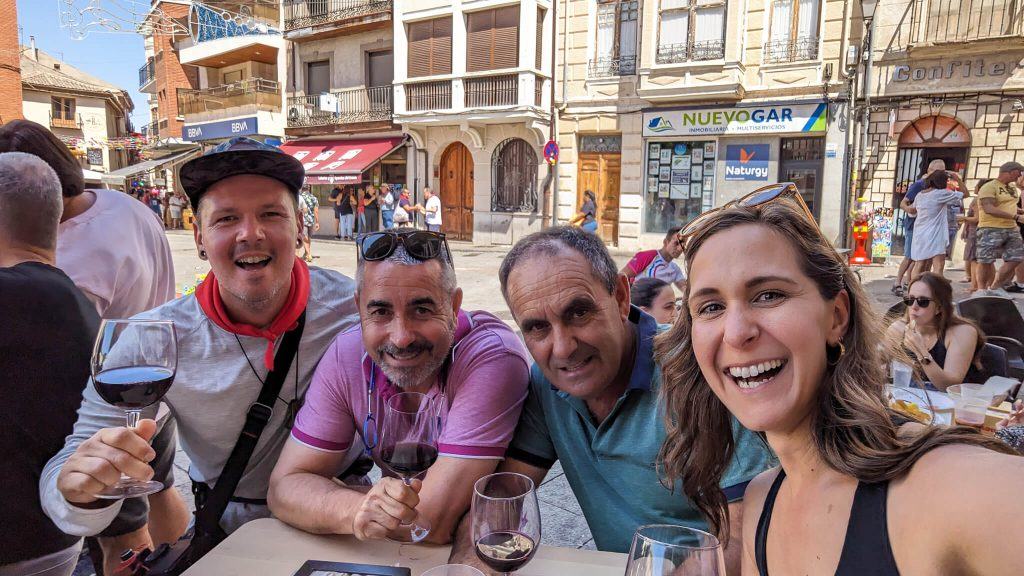
Going out for tapas is also a social experience. Visitors can move between different bars, order a few small dishes, and gradually discover new flavors. Spain’s tourism authority describes tapas as a way of tasting food, exploring lively neighborhoods, and spending time with friends and family.
Try a Traditional Spanish Omelette
Tortilla de patatas is one of Spain’s most recognizable traditional dishes. It is generally made with eggs and potatoes, with onion included in many versions. The result is a thick, soft omelette that can be served warm or at room temperature.
Although the ingredients are simple, the texture and preparation can vary considerably between restaurants. Some versions are softer and creamier inside, while others are firmer. Tortilla can be ordered as a tapa, served as part of a larger meal, or enjoyed with bread for a simple snack.
For a first-time visitor, it is an easy introduction to Spanish food because the ingredients are familiar while the preparation reflects a distinctly Spanish culinary tradition.
Experience Authentic Paella in Valencia (A Traditional Lunch Ritual)
Paella is probably the Spanish dish most recognized internationally, but travelers should remember that Spain has many regional rice traditions. Valencia is particularly associated with traditional paella, and the region offers an opportunity to experience the dish in the environment where its culinary traditions developed.
Traditional Valencian preparations can include rice, vegetables, beans, and meat, while other versions may feature seafood. The dish is traditionally prepared in a wide shallow pan, allowing the rice to cook evenly and develop its characteristic texture.
Spain’s official tourism resources specifically highlight Valencian paella as one of the country’s important regional specialties.
Taste Jamón Ibérico
Jamón ibérico is an important part of Spain’s food culture and is commonly served in thin slices. It is a cured ham with a distinctive flavor that develops through a lengthy production and curing process.
You can find it served on its own, alongside bread, or as part of a selection of tapas. Travelers may encounter different qualities and varieties, so it can be interesting to visit a specialist shop or food market where staff can explain the differences.
For visitors who enjoy discovering local products, jamón ibérico provides an excellent introduction to Spain’s long tradition of cured foods. Spain’s tourism organization describes Iberian ham as one of the country’s prized culinary products.
Cool Down With Gazpacho
Gazpacho is particularly refreshing during warm weather. This cold soup is traditionally made with ingredients such as tomatoes, cucumber, onion, garlic, olive oil, and bread.
The dish is strongly associated with Andalusia, where hot summers helped shape a cuisine that makes good use of fresh and cooling ingredients. Gazpacho can be served as a starter or enjoyed as a light dish during a warm afternoon.
Its fresh flavor also demonstrates an important characteristic of Spanish cooking. Good food does not always require complicated preparation. High-quality seasonal ingredients can create a satisfying dish with relatively little processing.
Discover Salmorejo in Andalusia
Salmorejo is another cold soup associated with Andalusia, particularly Córdoba. It is thicker and creamier than traditional gazpacho and is commonly prepared with tomatoes, bread, olive oil, and garlic.

The dish is often topped with ingredients such as chopped egg or cured ham. Because it is served chilled, salmorejo is especially appealing during hot weather.
Visitors exploring southern Spain can compare salmorejo with gazpacho to understand how two dishes using similar ingredients can have very different textures and flavors.
Try Patatas Bravas
Patatas bravas are a classic tapas choice consisting of fried potatoes served with a flavorful sauce. The sauce can vary between regions and individual establishments, and some versions have a noticeable spicy character.
They are an excellent dish for travelers who want something simple to share while exploring the tapas culture. Ordering a small plate alongside other tapas makes it easy to compare different preparations from different restaurants.
Patatas bravas are among the tapas highlighted by Spain’s tourism authorities as a familiar starting point for visitors discovering Spanish bar culture.
Enjoy Croquettes
Croquetas are small fried snacks with a crisp exterior and creamy filling. Traditional versions can contain ingredients such as ham, chicken, cod, mushrooms, or other fillings.
Their appeal comes largely from the contrast between the crunchy outside and soft interior. They are commonly served as tapas and can be found in both casual establishments and more sophisticated restaurants.
Trying several varieties can be a fun way to discover how Spanish cooks use familiar ingredients in different combinations.
Explore Spanish Seafood
Spain’s long coastline means seafood plays an important role in many regional cuisines. Galicia is particularly famous for seafood, with local dishes featuring shellfish, fish, and octopus.
Pulpo a feira is one of Galicia’s best-known traditional foods. It consists of boiled octopus that is commonly served with potatoes, olive oil, salt, and paprika. Spain’s official tourism website identifies Galicia as a major destination for seafood and specifically highlights octopus among its traditional foods.
If your trip includes Galicia, visiting a local seafood restaurant or market can provide a completely different food experience from what you might find in inland Spain.
Try Pintxos in the Basque Country
The Basque Country has its own version of the small-plate dining experience known as pintxos. These small bites are often presented on bread or assembled with several ingredients and can range from traditional combinations to highly creative preparations.
San Sebastián and Bilbao are particularly well known for their food culture. Pintxos are ideal for travelers because they allow you to sample several different foods during one outing.
Spain’s tourism resources distinguish pintxos as an important part of Basque food culture and describe the tradition as a social way of enjoying small portions with drinks.
Look for Cocido Madrileño
Travelers spending time in Madrid can explore cocido madrileño, a hearty traditional stew associated with the capital. It is generally prepared with chickpeas, vegetables, and different types of meat.

This is very different from the lighter dishes associated with Spain’s Mediterranean coast. It reflects the country’s diverse climate and regional cooking traditions and is particularly suitable for cooler weather.
Trying regional stews can help visitors understand why Spanish cuisine cannot be reduced to paella, tapas, and seafood.
Save Room for Churros
Churros are one of Spain’s most recognizable sweet treats. They are made from fried dough and are commonly enjoyed with thick hot chocolate or another accompaniment.
A visit to a traditional churrería can be a pleasant breakfast or late-evening experience. The combination of crisp fried dough and rich chocolate makes churros particularly satisfying after a long day of sightseeing.
Although churros are now popular internationally, eating them freshly prepared in Spain adds a cultural element to the experience.
Discover Crema Catalana
Travelers visiting Catalonia should look for crema catalana, a traditional dessert with a creamy custard base and a caramelized sugar topping.
It resembles some other European custard desserts, but its ingredients and preparation give it a distinctive regional identity. The contrast between the smooth custard and crisp caramelized surface makes it an enjoyable way to finish a meal.
Trying regional desserts is often overlooked by travelers who focus mainly on famous main dishes, but Spain has an impressive variety of traditional sweets.
Understand Spanish Meal Culture
Eating in Spain is not only about what appears on the plate. Meal times and social customs can also feel different from what many visitors are accustomed to.
Lunch can be an important meal of the day, while dinner is often enjoyed later than in many other countries. Tapas can also turn into a complete meal when several small dishes are shared over time.
The Spanish tourism authority emphasizes that food culture involves not only cooking but also when people eat and who they share meals with.
Instead of rushing through every meal, give yourself time to sit, talk, taste different dishes, and enjoy the atmosphere. This slower approach can make food an important part of your travel experience rather than simply another item on your itinerary.
Explore Food Markets
Food markets are another useful way to discover Spanish cuisine. Markets can introduce travelers to local produce, cheeses, cured meats, seafood, pastries, prepared foods, and regional specialties.
They can also be helpful for visitors who are unsure what to order in a restaurant. Seeing the ingredients and prepared dishes in person can make unfamiliar foods easier to understand.
Spain’s official tourism resources include markets among its recommended food and wine experiences, alongside tapas routes, cooking activities, wineries, olive oil experiences, and visits to specialist producers.
Let Each Region Tell Its Own Food Story
One of the biggest mistakes a first-time visitor can make is assuming that Spanish cuisine is the same everywhere. Spain’s regional diversity is one of its greatest culinary features.

Valencia offers its famous rice traditions, Andalusia is known for refreshing dishes and tapas, Galicia provides remarkable seafood, the Basque Country has a strong pintxos culture, Madrid offers hearty traditional dishes, and Catalonia has its own distinctive recipes and desserts. The official tourism site lists regional cuisines across numerous autonomous communities, demonstrating just how varied the country’s food traditions are.
This regional variety means that your food itinerary can naturally follow your travel itinerary. Every new destination provides another opportunity to discover something different.
Making Your Spanish Food Journey Memorable
A first trip to Spain is an opportunity to experience food in a way that goes beyond famous dishes. Start with familiar favorites such as tapas, tortilla de patatas, paella, churros, and jamón ibérico, but leave enough room to explore regional specialties that may be completely new to you.
Ask local restaurant staff about dishes from the area, visit traditional markets, try small neighborhood establishments, and order several smaller dishes when possible. You do not need to understand every ingredient before trying something. Part of the pleasure of traveling through Spain (see our 12 Destinations Beyond Barcelona) is discovering unfamiliar flavors and learning how each region expresses its identity through food.
Spanish cuisine combines local ingredients, traditional techniques, regional history, and a strong social element. Whether you are enjoying seafood beside the Atlantic, sharing pintxos in the north, eating paella in Valencia, or relaxing over tapas in Andalusia, food can become one of the most memorable parts of your journey.
For first-time visitors, the best food guide is ultimately curiosity. Try widely, eat slowly, explore locally, and allow each destination to introduce you to its own culinary traditions. Spain has enough regional variety to make every meal another part of the adventure.
💡 Authentic Paella Notice: In Valencia, traditional paella is commonly enjoyed as a midday meal and is closely connected with local food traditions. Dining customs and restaurant service hours vary, so check the restaurant’s current menu and opening times rather than treating lunch as a strict rule. Look for socarrat—the prized crispy rice crust at the bottom of the pan.
Related European Food Trails: Food is the heart of Spanish travel. Pair this culinary guide with our regional itinerary of 12 beautiful places to visit in Spain. If you are comparing Mediterranean culinary styles, explore our guide to 15 foods you must try when visiting Italy.
Official Gastronomy Resources: Explore regional Spanish tapas traditions, olive oil appellations, and wine routes through the Spain.info Official Gastronomy Portal and the Royal Academy of Gastronomy.
Frequently Asked Questions
What time do restaurants serve dinner in Spain?
Spaniards dine late. Most dinner kitchens do not open until 8:30 PM or 9:00 PM, with peak dining between 9:30 PM and 11:00 PM. Enjoy afternoon tapas to bridge the gap.