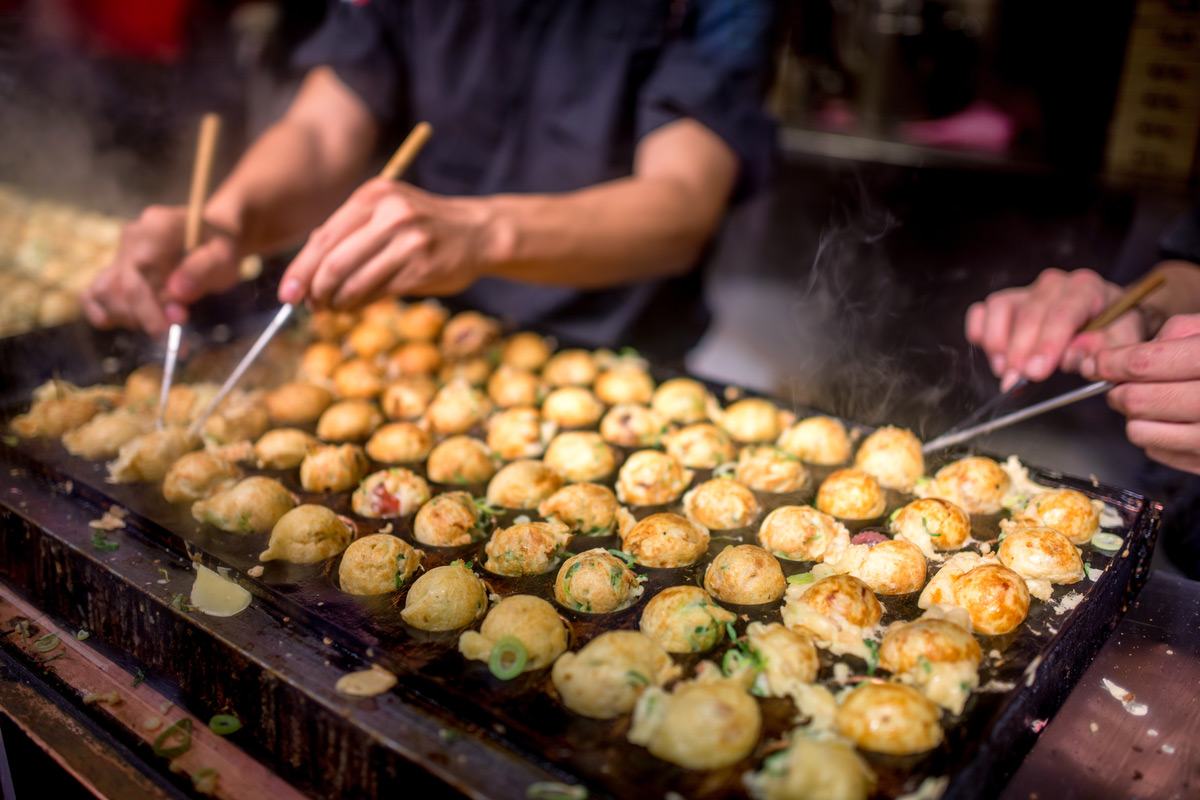
Japan is a destination where food is closely connected with history, geography, seasons, and everyday life. While sushi and ramen may be the first dishes that come to mind, Japanese cuisine is far more diverse than these internationally famous favorites. Travelers can discover delicate seafood, handmade noodles, grilled dishes, comforting soups, fermented ingredients, carefully prepared vegetables, traditional sweets, and elaborate multi-course meals.
Traditional Japanese cuisine is commonly associated with the concept of washoku, which emphasizes seasonal ingredients, balance, presentation, and respect for the natural qualities of food. Washoku was added to the UNESCO Intangible Cultural Heritage List in 2013. Japan’s regional diversity also means that the same type of food can taste completely different depending on where it is prepared.
For visitors, trying traditional food is one of the most enjoyable ways to understand Japan beyond its famous landmarks. From a simple bowl of soba noodles to an elegant kaiseki meal, each dish can reveal something about the place where it originated. Here are 12 traditional foods worth seeking out during a trip to Japan.
⚡ Key Takeaways at a Glance
- Zero Tipping Culture: Tipping is not customary in Japan and can be considered confusing or impolite.
- Chopstick Taboos: Never stick chopsticks vertically in a bowl of rice or pass food chopstick-to-chopstick.
- Ticket Vending Ordering: Many ramen shops use automated vending machines outside the entrance for orders.
- Convenience Store Quality: Japanese Konbini (7-Eleven, Lawson) serve outstanding onigiri and bento boxes.
1. Sushi
Sushi is arguably the most recognizable Japanese food in the world, but experiencing it in Japan can introduce travelers to a much wider variety than they may have encountered elsewhere. Traditional sushi combines specially prepared vinegared rice with ingredients that can include seafood, egg, or vegetables. It does not simply mean raw fish, as many different styles of sushi use cooked or plant-based ingredients as well.

Visitors can choose from different styles such as nigiri, makizushi, temaki, and chirashizushi. A casual conveyor-belt restaurant can provide an approachable introduction, while a traditional sushi counter offers a more focused experience. Regional seafood and local preparation techniques also give different parts of Japan their own distinctive sushi traditions.
2. Ramen
Ramen has become one of Japan’s most famous comfort foods and is available in countless regional variations. Although ramen has historical roots outside Japan, it developed into a major part of Japanese food culture and now has distinctive styles throughout the country.
Common varieties include shoyu ramen flavored with soy sauce, shio ramen based on salt, miso ramen, and tonkotsu ramen made with a rich pork-bone broth. Sapporo is particularly known for miso ramen, while Hakata in Fukuoka is famous for its creamy tonkotsu style. Trying ramen in different cities can therefore become a food journey of its own.
3. Tempura
Tempura consists of ingredients such as seafood or vegetables coated in a light batter and fried until crisp. The appeal comes from the contrast between the delicate coating and the flavor of the ingredient inside.
Traditional tempura is often served with a dipping sauce and may include shrimp, fish, mushrooms, eggplant, pumpkin, or other seasonal vegetables. Because Japanese cuisine places strong importance on seasonality, the ingredients used in tempura can change throughout the year. This makes the dish especially interesting for travelers who visit Japan during different seasons.
4. Soba
Soba noodles are made primarily from buckwheat and are an important part of Japanese culinary traditions. They can be served chilled with a dipping sauce or hot in a flavorful broth, making them suitable for different seasons and occasions.
Regional variations are particularly interesting for visitors. Japan has many local forms of soba, with differences in noodle thickness, texture, ingredients, and serving styles. The Japan National Tourism Organization notes that soba has numerous regional variations, making it worthwhile to try local versions when traveling beyond the major cities.
5. Udon

Culinary & Dietary Note: Dashi is a foundational Japanese stock, but its ingredients vary. Common versions include kombu (kelp), katsuobushi (dried bonito), niboshi (dried sardines), dried shiitake, or combinations of these ingredients. Many udon and soba broths use fish-based dashi, but recipes differ by restaurant and region. Vegetarian, vegan and halal travellers should ask staff about the stock, sauces and any fish or animal-derived ingredients; a kombu- or shiitake-based option may be available. Shojin ryori is associated with Buddhist vegetarian cuisine, but diners should still confirm the ingredients of each dish. (Reference: MAFF Japan – Washoku Traditional Dietary Cultures).
Udon is another major Japanese noodle tradition, but its thick and chewy texture makes it quite different from soba. These wheat noodles can be served in a warm broth or chilled with a dipping sauce.

One of the best-known regional varieties comes from Kagawa Prefecture, where Sanuki udon is celebrated for its firm texture and distinctive preparation. Travelers who enjoy noodles can easily turn an ordinary lunch into a regional food experience by trying local udon wherever their journey takes them.
6. Sashimi
Sashimi is often confused with sushi, but the two foods are not the same. Sashimi consists of carefully sliced seafood or other ingredients served without sushi rice. The purpose is to highlight the freshness, texture, and natural flavor of the ingredient.
Japan’s island geography provides access to a remarkable range of seafood, and local catches influence regional food traditions. Sashimi is therefore particularly interesting when enjoyed in coastal areas where seafood plays an important role in the local cuisine.
7. Yakitori
Yakitori consists of chicken pieces grilled on skewers, usually over charcoal. Different parts of the chicken can be used, creating a wide range of textures and flavors.
Yakitori is closely associated with casual dining and can be enjoyed in small restaurants, izakaya, and food stalls. It is an approachable choice for travelers who want to experience Japanese food in a relaxed atmosphere. The smoky aroma from charcoal grilling adds another layer to the experience.
8. Okonomiyaki
Okonomiyaki is a savory Japanese dish that is sometimes described as a type of Japanese pancake, although that description does not fully capture its character. It commonly combines batter with cabbage and other ingredients, which can include meat, seafood, vegetables, and noodles.
Osaka and Hiroshima are particularly associated with different styles of okonomiyaki. In Osaka, ingredients are generally mixed together before cooking, while Hiroshima style traditionally involves distinct layers. Trying both versions can show how dramatically a familiar dish can change between regions.
9. Kaiseki
Kaiseki represents one of the more refined sides of Japanese cuisine. Rather than being a single dish, it is a carefully planned multi-course dining experience in which seasonal ingredients, presentation, texture, and balance are given considerable attention.
Kaiseki can be enjoyed at traditional restaurants and some ryokan. The dishes may be small, but the meal is designed as a complete progression rather than a collection of unrelated plates. Japan’s tourism organization describes kaiseki as an important part of the country’s gastronomic traditions and highlights its connection with seasonal ingredients and careful presentation.
10. Miso Soup
Miso soup may appear simple, but it represents an important part of everyday Japanese dining. Miso paste is combined with dashi and commonly served with ingredients such as tofu, seaweed, mushrooms, or green onions.

The flavor can vary depending on the type of miso and the local ingredients used. Dashi, which can be made from ingredients such as kelp and bonito, contributes an important umami character to many Japanese dishes.
A bowl of miso soup served alongside rice and other dishes can provide a simple introduction to the balance that characterizes traditional Japanese meals.
11. Unagi
Unagi refers to freshwater eel, which is commonly grilled and served with a sweet and savory sauce. It is often presented over rice as a satisfying meal.
Preparing eel requires skill, and traditional restaurants specializing in unagi can offer a memorable dining experience. The combination of tender grilled eel, flavorful sauce, and steamed rice creates a rich meal that is particularly appealing to travelers who enjoy grilled seafood.
Unagi also demonstrates how Japanese cuisine can transform a single ingredient through careful preparation rather than relying on numerous strong seasonings.
12. Wagashi
Wagashi are traditional Japanese sweets that come in many shapes, colors, textures, and flavors. They are often associated with tea culture and may be made using ingredients such as rice flour, beans, sugar, and seasonal elements.
Some wagashi are designed to reflect flowers, leaves, or other aspects of nature. Their visual appearance is therefore almost as important as their taste. Trying traditional sweets alongside Japanese tea can offer a calmer and more cultural food experience after a busy day of sightseeing.
Why Regional Food Matters in Japan
One of the most rewarding aspects of eating in Japan is discovering that traditional cuisine changes considerably from one region to another. Climate, agriculture, local seafood, historical traditions, and available ingredients have all influenced regional dishes.
Japan’s tourism organization emphasizes that local specialties can be found across the country’s prefectures, with individual regions developing distinctive culinary traditions.
This means travelers should not limit themselves to the most famous dishes found in Tokyo or Kyoto. A trip to Hokkaido, Osaka, Hiroshima, Fukuoka, Kagawa, or another region can introduce entirely different flavors. Visiting local markets, small restaurants, traditional inns, and regional food shops can make this discovery even more rewarding.
Tips for Enjoying Traditional Japanese Food
Travelers do not need to know every Japanese dining rule before visiting. Most restaurants are accustomed to international visitors, and staff can often help when something is unfamiliar. Still, learning a few basic customs can make the experience more comfortable.

For example, noodles such as ramen, soba, and udon can be slurped in Japan and this is not generally considered impolite. At restaurants serving shared dishes, it is customary to take food onto your own small plate rather than eating directly from the communal serving dish.
It is also useful to remember that Japanese meals often focus on the natural qualities of ingredients rather than heavy sauces. Seasonal produce, fresh seafood, carefully prepared rice, fermented ingredients, and dashi all contribute to the overall flavor. Taking time to notice these details can make a simple meal much more interesting.
Discover Japan Through Its Food
Japan’s traditional foods offer far more variety than the country’s most famous international dishes might suggest. Sushi, ramen, tempura, soba, udon, sashimi, yakitori, okonomiyaki, kaiseki, miso soup, unagi, and wagashi each provide a different window into Japanese culinary culture.
The most memorable food experiences may not always come from the most expensive restaurants. A bowl of noodles in a small neighborhood shop, grilled chicken at an informal izakaya, freshly prepared sushi at a local restaurant, or a traditional sweet enjoyed with tea can become an important part of a journey.
For travelers visiting Japan for the first time, these 12 foods provide a strong starting point. As you move between cities and regions, allow yourself to explore local specialties rather than ordering only familiar dishes. Japanese cuisine is deeply connected with seasonality, craftsmanship, regional identity, and respect for ingredients, making food one of the most rewarding ways to experience the country.
💡 Ramen Ordering: Many casual ramen shops use automated ticket machines at the entrance. Insert your cash first, press your dish button, and hand the ticket to the chef.
Related Japan Itineraries: To build an unforgettable culinary journey, cross-reference these traditional dishes with our guide to the best cities to visit in Japan. For more street market inspiration in Asia, explore our guide to street food in Bangkok.
Cultural Heritage Resources: Learn about traditional Japanese Washoku dietary culture recognized by UNESCO Intangible Cultural Heritage and the Ministry of Agriculture, Forestry and Fisheries of Japan.
Frequently Asked Questions
Do you tip at restaurants in Japan?
No, tipping is not practiced in Japan and can cause confusion. Exceptional hospitality (omotenashi) is considered standard in every dining establishment.