


Traveling around the world can sound expensive when you think about international flights, hotels, food, transportation, and travel essentials. However, seeing more of the world does not always require a huge travel budget. With careful planning, flexible choices, and a willingness to experience destinations in a more local way, travelers can significantly reduce many common costs.
Budget travel is not necessarily about choosing the cheapest option for everything. It is about deciding where your money matters most and avoiding expenses that add little value to your experience. A traveler might spend more on a memorable attraction while saving money on accommodation, local transportation, or meals. Current travel advice also emphasizes researching destinations, accommodation, transportation, local requirements, and insurance before departure.
Whether you want to take a short international trip or eventually visit several countries, these strategies can help you make your travel budget stretch further.
⚡ Key Takeaways at a Glance
- Flexibility Is Currency: If your dates are flexible, compare several departure and return dates, nearby airports, baggage costs and total journey time. Savings vary by route, season and demand.
- Stay Outside Tourist Hubs: Lodging 2–3 metro stops outside central tourist districts can offer lower nightly room rates; however, calculate the full door-to-door transit cost, late-night transit availability, and travel time to ensure the total trip expenditure remains advantageous.
- Dine Where Locals Eat: Produce markets and bustling food stalls deliver superior authentic culinary adventures.
- Pace Your Journey: Staying longer in fewer places may reduce the number of intercity transfers, but total savings depend on accommodation, transport and trip length.
Start With a Realistic Travel Budget
The first step toward affordable travel is knowing how much you can actually spend. Instead of choosing a destination and hoping the costs will fit, calculate your available budget before making major bookings.

Divide your expected expenses into categories such as transportation, accommodation, food, activities, local travel, insurance, visas, and emergency money. This gives you a clearer picture of where your money is likely to go.
A realistic budget should also include a small reserve for unexpected expenses. A delayed connection, replacement transportation, additional accommodation, or unexpected fee can quickly affect a tightly planned trip. Having a little money set aside can prevent one surprise expense from disrupting the entire journey.
Choose Destinations That Match Your Budget (Explore Budget Destinations in Europe)
Not every destination costs the same. Accommodation, transportation, food, attractions, and everyday services can vary significantly between countries and even between cities within the same country.
Instead of deciding that you must visit one particular expensive destination, compare several places that offer similar experiences. A traveler interested in beaches might compare different coastal countries, while someone interested in history could consider several cities with strong cultural attractions.
Researching costs before booking can help you identify destinations where your budget will provide more days of travel. This approach is often more effective than trying to reduce every expense after arriving.
Travel During Less Expensive Periods
The time of year can have a major effect on travel costs. Popular destinations often become more expensive during major holidays, school vacations, festivals, and peak summer periods.
If your schedule is flexible, investigate shoulder seasons or less busy periods. Flights and accommodation may sometimes be more affordable, while attractions can also feel less crowded. Lonely Planet’s recent budget travel guidance similarly recommends considering shoulder-season travel as one way to reduce costs while avoiding peak crowds.
Before choosing your dates, check the destination’s weather and seasonal conditions. Saving money is useful only if the travel conditions still suit the type of experience you want.
Compare Flights Carefully
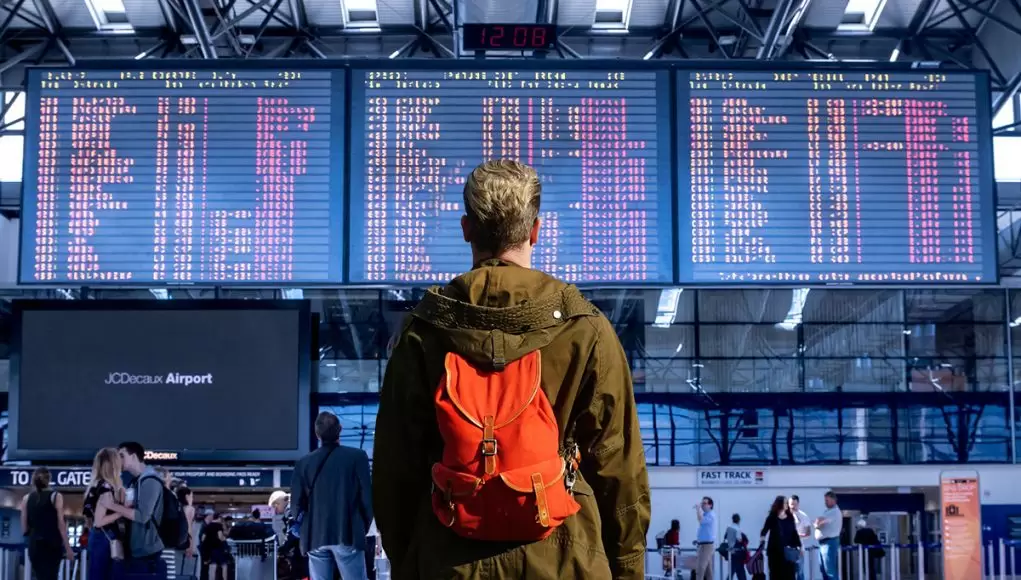
Airfare can become one of the largest parts of an international travel budget, so comparing different options is important. Look at multiple departure dates, nearby airports, airlines, and possible connecting routes.
A slightly less convenient flight may sometimes cost considerably less, but always calculate the total cost. A cheap ticket with expensive baggage, long airport transfers, or inconvenient connections may not actually save money.
Flexible dates can be especially useful. If you can travel a few days earlier or later, compare several combinations rather than immediately purchasing the first available flight.
Travel With Carry-On Luggage When Practical
Checked baggage can add costs and make transportation more complicated. If your airline’s rules allow it and your trip is short enough, traveling with a compact carry-on can simplify the journey.
Packing less also makes it easier to use buses, trains, metro systems, and walking routes instead of relying on taxis. You do not need a different outfit for every possible situation. A small collection of versatile clothing can often work for an entire trip.
Always check the airline’s current baggage restrictions before packing because allowances and fees vary between carriers.
Choose Accommodation Strategically (See our Hotel Selection Guide)
Accommodation does not have to be the most expensive part of a trip. Hotels are only one option. Depending on the destination, travelers may find hostels, guesthouses, apartments, family-run properties, or other forms of lodging.
Location matters as much as the nightly price. A very cheap room far from transportation may cost more overall because you spend additional money and time commuting. Travel guidance also recommends researching lodging carefully and considering access to public transportation and important services when choosing where to stay.
A modest, clean, well-located room can often provide better value than a luxurious property that leaves you far from the places you want to visit.
Consider Staying Outside Tourist Centers
Accommodation in the most famous tourist areas can be expensive. Staying a little outside the central zone may provide lower prices while still giving you convenient access to attractions.

Look for neighborhoods connected by reliable public transportation. A short train, metro, or bus journey may be worthwhile if the accommodation savings are significant.
However, do not choose a location solely because it is cheap. Check the area, transportation options, reviews, and practical travel time before booking.
Use Public Transportation
Public transportation is often one of the easiest ways to control daily travel expenses. Trains, buses, trams, and metro systems can be substantially cheaper than using taxis for every journey.
Before arriving, research how the local transportation system works. Some cities offer daily or multi-day passes, while others use rechargeable travel cards or mobile ticketing systems.
Transportation safety should also be considered. Official travel guidance recommends researching local transportation systems, taxi operators, traffic conditions, and destination-specific road safety information before traveling.
Walk Whenever It Makes Sense
Walking costs nothing and can sometimes be one of the best ways to experience a city. Historic neighborhoods, markets, waterfront areas, parks, and central districts are often enjoyable to explore on foot.
Walking also allows you to discover small cafés, local shops, architecture, street art, and neighborhoods that may not appear on a typical sightseeing itinerary.
Of course, consider weather, distance, terrain, and personal safety. Walking should be a practical choice rather than something that leaves you exhausted or puts you in an unsuitable situation.
Eat Like a Local
Food expenses can quickly become a major part of a travel budget, especially when eating exclusively at restaurants located around major tourist attractions.
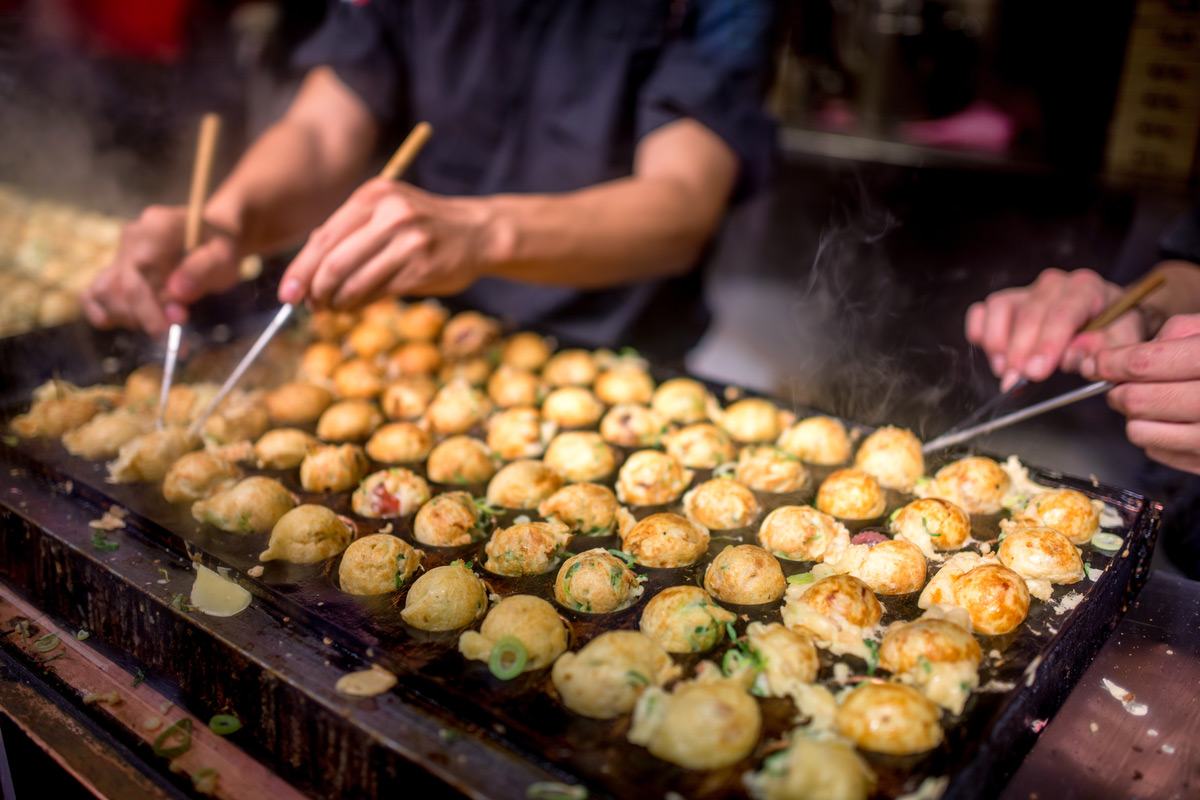
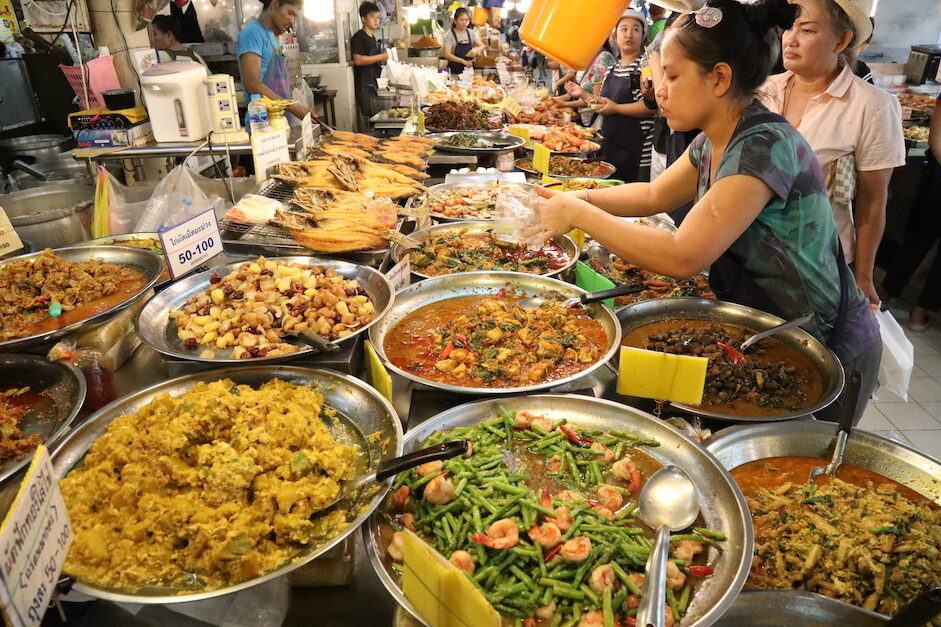
Try local cafés, bakeries, food markets, casual restaurants, and neighborhood eateries. These places can provide authentic meals without the prices sometimes associated with highly tourist-focused establishments.
You can also balance your meals. Instead of eating an expensive restaurant meal three times a day, enjoy a simple breakfast, a local lunch, and one memorable dinner. This allows you to experience the destination’s food culture without making every meal a major expense.
Cook When Your Accommodation Allows It
If you are staying somewhere with kitchen facilities, preparing some meals yourself can reduce food costs. This can be especially useful for longer trips.
You do not need to cook every meal. Buying breakfast ingredients, snacks, fruit, drinks, or simple lunch supplies can already make a difference.
Local supermarkets and markets can also provide an interesting glimpse into everyday life. You may discover regional foods that are rarely seen in tourist restaurants.
Look for Free Attractions
Many destinations have excellent experiences that cost nothing. Public parks, historic neighborhoods, viewpoints, beaches, walking routes, public markets, cultural districts, and some museums or galleries may be free on certain days.
Before your trip, make a list of free things to do. This gives you alternatives when paid attractions become too expensive or when you simply want a slower day.
A budget trip does not have to mean missing out. Some of the most memorable travel experiences come from walking through a historic neighborhood, watching a sunset, visiting a public square, or exploring a local market.
Avoid Unnecessary Tourist Expenses
Travelers often spend money on small conveniences without realizing how quickly they add up. Bottled drinks from tourist attractions, expensive airport snacks, unnecessary souvenirs, frequent taxis, and poorly planned transfers can all increase the final cost.
This does not mean avoiding every tourist experience. Instead, decide which purchases genuinely matter to you.
A souvenir that has personal meaning may be worth buying. An overpriced item purchased simply because you are tired or unprepared may not be.
Use Technology to Track Spending
Your phone can help you stay within your travel budget. Use a simple notes application or budgeting tool to record daily spending.

You do not need to track every small purchase obsessively. Checking your spending once or twice a day can show whether you are staying close to your planned amount.
If you notice that you are spending too much early in the trip, you can adjust before the problem becomes serious. A budget is most useful when it helps you make decisions while traveling rather than simply showing you what happened afterward.
Avoid Traveling Too Quickly
Trying to visit too many countries during one trip can actually increase your expenses. Every move between destinations can involve transportation, baggage fees, accommodation changes, and lost time.
Instead of attempting to see five countries in a week, consider spending more time in two or three places. Slow travel can reduce transportation costs while giving you more time to understand each destination.
You may also discover that staying longer at one accommodation can sometimes provide better value than constantly changing hotels.
Plan Major Expenses in Advance
Some expenses are easier to manage when arranged before departure. These can include flights, accommodation, visas, travel insurance, airport transportation, and major attractions.
Researching these costs early can help you understand the true price of the trip. Official international travel guidance recommends checking entry requirements, local conditions, transportation information, accommodation, and insurance before departure.
Planning also reduces the chance of making expensive last-minute decisions when you are already tired or unfamiliar with the destination.
Keep an Emergency Fund
A small emergency fund is essential even for budget travelers. Saving every possible dollar for sightseeing is not a good strategy if you have nothing available when something unexpected happens.
Keep emergency money separate from your normal daily spending. You can also keep more than one payment method available in case a card is lost, blocked, or damaged.
Important documents should also be backed up. Official travel guidance recommends keeping multiple copies of important documents and storing copies separately from the originals.
Do Not Sacrifice Safety to Save Money
Budget travel should reduce unnecessary spending, not eliminate sensible safety measures. Extremely cheap accommodation, transportation, or activities may create problems if they involve poor standards or unreliable providers.
Research accommodation reviews and location before booking. When using transportation, choose reputable operators and understand how the local system works. Travel guidance specifically recommends researching lodging and transportation safety rather than choosing entirely on price.
Travel insurance can also be worth considering, particularly for international trips where unexpected medical or transportation expenses could become significant. Coverage varies, so read the policy carefully before purchasing.
Find the Right Balance Between Saving and Enjoying
The purpose of budget travel is not to spend as little as humanly possible. It is to use your money intentionally.

If a particular museum, food experience, day trip, or cultural activity is important to you, make room for it. Save money on things that do not matter as much and spend on experiences you are likely to remember.
This approach makes a trip feel less restrictive. Instead of constantly thinking about what you cannot afford, you are choosing where your available money creates the greatest value.
Build a Travel Style That Works for You
There is no single definition of budget travel. One person may prefer inexpensive hostels and long train journeys, while another may choose a modest private room and spend more on local food. Someone else might travel fewer times each year but stay longer at each destination.
The important thing is to understand your priorities. Decide what you value most, then build your budget around those priorities.
Over time, you will also learn which expenses are worth paying for and which ones you can easily avoid. That experience can make future trips more affordable and less stressful.
Start Small and Travel Further Over Time
You do not need to begin your world travel journey with a year-long backpacking adventure. Start with a manageable international trip and learn from the experience.
Track your actual expenses, identify where you overspent, and note which choices helped you save. On your next trip, use that information to improve your planning.
Travel becomes more accessible when you stop viewing it as one enormous expense and start breaking it into manageable decisions. Affordable flights, practical accommodation, public transportation, local food, free attractions, flexible planning, and careful spending can all contribute to a lower overall cost.
The world is large, and you do not need to see everything at once. Choose destinations carefully, travel at a comfortable pace, protect your essential documents and finances, and spend your money on the experiences that genuinely matter to you. With realistic planning and a flexible mindset, traveling the world on a small budget can become a practical long-term goal rather than an impossible dream.
💡 Banking Fees Warning: Use a bank card that refunds international ATM withdrawal fees and charges zero percent foreign exchange transaction fees.
Destination Budget Guides: For real-world budget breakdowns across specific destinations, see our curated itineraries for budget-friendly travel destinations in Europe, our budget advice in the Dubai travel guide, and our suburban California budget breakdown in the Cerritos, California travel guide.
Budget & Hostelling Resources: Connect with vetted budget accommodations globally through Hostelling International and track transparent real-time bank conversion benchmarks via OANDA Currency Converter.
📊 Sample 14-Day Budget Travel Cost Model (Illustrative Planning Estimates)
Methodology & Verification Note: Daily budgets below represent illustrative baseline estimates for independent solo travelers, split by distinct regional travel tiers. Data gathered and verified against November 2026 hostel indexes (Hostelworld), municipal transit authority rates (e.g. Prague DPP, Budapest BKK, Bangkok BMTA), and regional market surveys.
| Expense Category | Central / Eastern Europe (e.g. Prague, Budapest, Kraków) | Southeast Asia (e.g. Bangkok, Chiang Mai, Hanoi) | Methodology & Key Variables |
|---|---|---|---|
| Accommodation | $22 – $35 / night | $10 – $18 / night | Rated 9.0+ hostel dorm bed or modest private guesthouse |
| Meals & Groceries | $16 – $26 / day | $8 – $14 / day | Supermarket breakfast + lunch special + casual dinner / street food |
| Local Public Transit | $4 – $7 / day | $2 – $5 / day | City transit passes (metro, tram, bus); no private taxis |
| Sightseeing & Admission | $6 – $12 / day | $3 – $7 / day | Museum passes, historic landmarks, free walking tours |
| Estimated Daily Average | $48 – $80 / day | $23 – $44 / day | Baseline daily cost per person |
| 14-Day Trip Total | $672 – $1,120 | $322 – $616 | Excludes flights & personal shopping |
Methodology and benchmark notes
Prices checked: November 2026
- Sample Cities Analyzed: Central & Eastern Europe estimates are sampled across Budapest (Hungary), Kraków (Poland), and Prague (Czech Republic). Southeast Asia estimates are sampled across Bangkok and Chiang Mai (Thailand), and Hanoi and Da Nang (Vietnam). Figures reflect representative city averages rather than a uniform regional cost.
- Travel-Season Baseline: Baseline rates are modeled on shoulder season travel (April – May and September – October), selected because accommodation tariffs and airfares moderate following peak summer and holiday surges. These dates represent analytical baseline assumptions rather than a universal low-price guarantee.
- Accommodation Sampling & Criteria: Lodging samples are restricted to centrally located, secure properties situated within 2 km of key transit hubs or city centers, maintaining a verified guest review threshold of 8.5+ out of 10 across major booking aggregators (Hostelworld, Booking.com; evaluated November 2026). Calculations reflect a single dorm bed in a rated boutique hostel or a private room in a modest family-run guesthouse.
- Meal Calculations & Assumptions: Daily food budgets reflect a practical self-catering and local-dining mix: a self-catered grocery breakfast ($2 – $4: eggs, oatmeal, fruit, and coffee/tea), lunchtime worker specials or local street food ($3 – $6 in Southeast Asia, $7 – $11 in Central Europe), and a casual sit-down neighborhood dinner with filtered drinking water.
- Transport & Activity Verification: Local transit costs are benchmarked against official municipal transit authority standard fares: Prague PID (dpp.cz), Budapest BKK (bkk.hu), and Bangkok BTS/MRT (bemplc.co.th). Regional transit assumes regional trains or scheduled coaches (e.g., RegioJet, FlixBus). Cultural spending assumes 1 paid historic/museum admission daily paired with free self-guided walking tours and public civic parks.
- Numbeo Cost of Living Benchmark: Cost baselines are cross-referenced with published city metrics from the Numbeo Cost of Living Index (Reference: November 2026; converted at prevailing market exchange rates). Crowdsourced data serves as an indicative comparative baseline and may diverge from individual visitor expenditure patterns.
- Calculation Formula & Exclusions: Daily category ranges ($48 – $80/day for Central/Eastern Europe; $23 – $44/day for Southeast Asia) are multiplied across a 14-day duration to produce the $672 – $1,120 and $322 – $616 illustrative totals. Strict Exclusions: Long-haul international flights, consular visa charges, comprehensive travel insurance, discretionary nightlife/alcohol, guided private excursions, and personal retail shopping.
Frequently Asked Questions
What is the biggest expense when traveling long-term?
Accommodation and long-haul flights are typically the largest budget drains. Using flight comparison tools and accommodation with kitchen access can reduce costs for some trips, but the savings depend on the destination, length of stay, food prices, accommodation rate and how often you cook.

Fantastic breakdown! What are your go-to bank debit cards or multi-currency accounts that don’t slap you with exorbitant ATM fees when withdrawing foreign currency abroad?
Great question, Liam! When an ATM offers currency conversion, compare the displayed exchange rate and fees. Choosing to be charged in the local currency can help avoid the ATM operator’s dynamic currency conversion markup, but the actual cost depends on the ATM operator and your card issuer. Check your card’s foreign transaction and withdrawal fees.
The tip on booking hostels with female-only dorms and private privacy curtains was a lifesaver on my recent trip to Southeast Asia. Cleanliness scores above 9.0 on Hostelworld are always worth the extra two dollars a night.
100% agreed, Sophia! That 9.0+ review filter is our golden rule for peace of mind, great sleep quality, and solid security lockers.