Dubai is one of the world’s most recognizable travel destinations, offering a fascinating combination of modern architecture, desert landscapes, cultural attractions, shopping districts, beaches, entertainment, and international cuisine. The city has developed into a major tourism destination while maintaining connections to the traditions and history of the United Arab Emirates.
For first-time visitors, Dubai can seem enormous because there are so many attractions spread across different parts of the city. However, with a little planning, it is possible to create a comfortable vacation that includes major landmarks without making every day feel rushed. Understanding the best areas to visit, transportation options, realistic budgets, weather, local customs, food, and practical travel considerations can make the experience much easier.
⚡ Key Dubai Travel Takeaways at a Glance
- Best Season to Visit: November through March offers delightful 24–28°C (75–82°F) weather, ideal for outdoor sightseeing and desert excursions.
- Nol Card for Transit: Pick up a Silver Nol Card at Dubai International Airport (DXB) Metro station for 25 AED (includes 6 AED card fee and 19 AED usable e-purse balance; verified 2026 per official RTA tariff guidelines) for seamless Metro, Tram, and Bus journeys.
- Authentic Old Dubai on a Budget: Ride a traditional wooden abra boat across Dubai Creek between Deira and Bur Dubai for just 1 AED cash.
- Local Etiquette: Swimwear is acceptable at beaches, waterparks, public pools and spa areas. It is not appropriate in shopping malls or business districts. Dress more conservatively in historic neighbourhoods and places of worship; mosques may have specific clothing requirements. For official visitor dress guidelines, see Visit Dubai Practical Information.
- Weekend Schedule: The UAE operates on a Monday–Friday working week with a Saturday–Sunday weekend. Friday midday involves special prayer breaks.
Visa & Entry Guidelines for Dubai
Entry regulations for the United Arab Emirates depend strictly on your nationality and passport citizenship:
- Visa on Arrival: Citizens of approximately 70 countries (including the US, Canada, UK, Australia, EU member states, and Japan) receive a complimentary 30-day or 90-day visa on arrival.
- Pre-Arranged Visas: Travelers from other nations must obtain a verified tourist visa prior to arrival, typically arranged through Emirates Airline, flydubai, or accredited UAE travel agencies via the official GDRFA portal.
Always verify your specific nationality requirements via the official UAE Government Portal.
When Is the Best Time to Visit Dubai
Dubai enjoys a subtropical desert climate with year-round sunshine. However, seasonal temperature variations significantly dictate what activities you can comfortably enjoy:
- Winter Peak Season (November to March): Daytime highs average 24°C–28°C with cooler evenings around 15°C–18°C. This is the prime window for desert safaris, beach strolls, alfresco dining along the Marina, and outdoor theme parks. Flights and hotel rates peak during this period, particularly around New Year’s Eve and the Dubai Shopping Festival (January).
- Shoulder Seasons (April to May & September to October): Temperatures range from 32°C to 38°C. Sea temperatures are warm and hotels offer attractive discounts. Outdoor activities are best planned in the early mornings or after sunset.
- Summer Low Season (June to August): Temperatures frequently exceed 42°C (108°F) with high humidity. While outdoor walking is limited, Dubai’s extensive air-conditioned infrastructure — including vast indoor theme parks, the Dubai Aquarium, Ski Dubai, and enclosed skywalks — makes indoor travel very feasible at substantial hotel savings.

Realistic Dubai Daily Travel Budgets (2026 Estimates)
A frequent misconception is that Dubai is exclusively an ultra-luxury playground. While five-star indulgence is everywhere, budget-conscious and mid-range travelers can explore the emirate comfortably. Below is a realistic daily cost breakdown per person in both UAE Dirhams (AED) and US Dollars (USD):
| Expense Category | Budget Traveler | Mid-Range Traveler | Luxury Traveler |
|---|---|---|---|
| Hotel / Accommodation | 140–220 AED ($38–$60) 3-star hotel in Deira/Barsha |
350–650 AED ($95–$175) 4-star in Marina or Downtown |
1,200+ AED ($330+) 5-star resort on Palm Jumeirah |
| Daily Meals & Dining | 50–80 AED ($14–$22) Shawarma, Indian cafes, Al Ustad |
140–260 AED ($38–$70) Casual restaurants & Marina cafes |
500+ AED ($135+) Fine dining & celebrity chef venues |
| Public Transit & Taxis | 15–25 AED ($4–$7) Metro Silver Nol + 1 AED abra |
45–80 AED ($12–$22) Metro combined with short taxis |
180+ AED ($50+) Private chauffeurs & Careem Black |
| Attractions & Activities | 30–60 AED ($8–$16) Dubai Frame, Dubai Museum, beaches |
180–300 AED ($50–$82) Burj Khalifa At the Top, desert safari |
600+ AED ($165+) VIP lounge tickets, yacht rental |
| Estimated Daily Total | 235–385 AED (~$64–$105) | 715–1,290 AED (~$195–$350) | 2,480+ AED (~$675+) |
Note: Conversions pegged at approximately 1 USD = 3.67 AED. Figures exclude international airfare and visa application fees.
Curated 4-Day Dubai Itinerary for First-Time Visitors
To maximize your time and minimize backtracking along Sheikh Zayed Road, this balanced itinerary clusters activities geographically:
📍 Day 1: Modern Marvels in Downtown Dubai
- Morning: Arrive at the Burj Khalifa (book the 09:30 slot for Level 124/125 to avoid crowds). Enjoy sweeping panoramic vistas over the Arabian Gulf and desert horizon.
- Afternoon: Explore The Dubai Mall — home to over 1,200 stores, the giant indoor Dubai Aquarium & Underwater Zoo, and the indoor Olympic-sized ice rink. Stop for lunch at Souk Al Bahar across the bridge.
- Evening: Watch the Dubai Fountain Show (free performances run every 30 minutes from 18:00). Dine outdoors on the terrace overlooking the illuminated fountains.
📍 Day 2: Heritage & Culture in Old Dubai
- Morning: Wander through the narrow wind-tower alleys of the Al Fahidi Historical Neighbourhood. Visit the Coffee Museum and enjoy traditional Emirati karak chai at the Arabian Tea House.
- Midday: Cross Dubai Creek aboard a motorized wooden abra boat for just 1 AED cash. Feel the cool river breeze as traditional wooden dhows load cargo alongside modern water taxis.
- Afternoon: Immerse your senses in the Deira Spice Souk (saffron, frankincense, dried limes) and the glittering Gold Souk. Remember that respectful haggling is customary in the souks.
- Evening: Visit the Dubai Frame in Zabeel Park at sunset for contrasting views: Old Dubai to the north and modern futuristic towers to the south.
📍 Day 3: Coastal Glamour, Dubai Marina & Palm Jumeirah
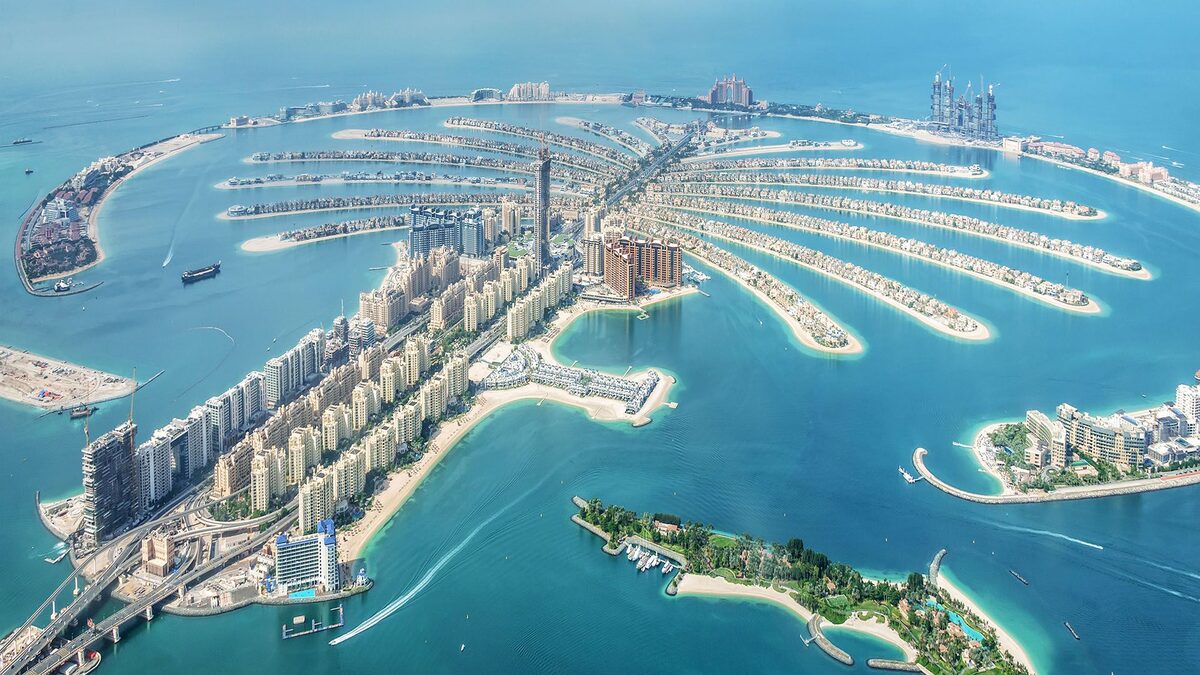
- Morning: Take the Palm Monorail out to Palm Jumeirah. Visit The View at the Palm (Level 52 of the Palm Tower) for a stunning bird’s-eye perspective of the artificial archipelago.
- Afternoon: Head to JBR The Beach for swimming, water sports, and beachside dining. Walk across the pedestrian footbridge to Bluewaters Island to view the monumental Ain Dubai wheel.
- Evening: Stroll the 7-kilometer palm-lined Dubai Marina Promenade. Book a relaxed evening dinner cruise on a luxury catamaran or glass-enclosed yacht to admire the illuminated high-rises.
📍 Day 4: Botanical Wonders & Arabian Desert Safari
- Morning: Visit Dubai Miracle Garden (open November through April), featuring 150 million blooming flowers crafted into life-sized Emirates A380 airplanes and whimsical floral castles.
- Afternoon & Evening: Embark on an afternoon 4×4 Desert Safari (booked with reputable licensed operators like Arabian Adventures or Platinum Heritage). Experience dune bashing in the red sand dunes, sandboarding, camel rides, and an authentic barbecue dinner under the desert stars with live falconry demonstrations.
Transportation Guide: How to Get Around Dubai
Dubai’s public transportation network, overseen by the Roads and Transport Authority (RTA), is modern, safe, spotlessly clean, and air-conditioned.
1. Dubai Metro & Tram
The Dubai Metro is fully automated and driverless, connecting major hubs:
- Red Line: Connects Dubai International Airport (Terminals 1 and 3) directly through Downtown Dubai (Burj Khalifa/Dubai Mall), Mall of the Emirates, Dubai Marina, and Expo City.
- Green Line: Loops through historic Old Dubai, connecting Bur Dubai, Al Fahidi, and Deira. Union Station and BurJuman Station serve as the two central interchange hubs between the lines.
- Dubai Tram: Seamlessly loops around Dubai Marina and Jumeirah Beach Residence (JBR), linking to the Palm Monorail.
2. The Nol Card System
You cannot pay cash on Dubai Metro or RTA buses; you must use an electronic contactless Nol Card:
- Silver Nol Card (Recommended): Costs 25 AED (6 AED card issuance fee + 19 AED usable purse balance). Tiered fares range from 3.00 AED (within 1 zone), 5.00 AED (2 adjacent zones), to 7.50 AED (3+ zones across Dubai’s 7 transit zones), verified with the official Dubai Roads and Transport Authority (RTA) (tariff checked 2026). Can be topped up at station ticket offices and multilingual vending machines.
- Gold Nol Card: Costs 25 AED (19 AED credit) and grants access to the dedicated Gold Class carriage featuring leather armchair seating and front-window panoramic views. Trips cost double the standard Silver fare.
3. Taxis & Ride-Hailing
RTA-licensed metered cream taxis are plentiful, reliable, and strictly regulated. Flag-fall rates start at 12 AED during the day (25 AED for airport pickups). You can hail taxis curbside or book via the official Careem smartphone app (which also offers Hala Taxis at standard meter rates) and Uber. Credit cards and Apple Pay are accepted in virtually all Dubai taxis.
Essential Cultural Etiquette & Practical Traveler Tips
Dubai is a welcoming, cosmopolitan, and safe city, but local Islamic traditions and UAE laws should be respected at all times:
- Dress Code Guidelines: In shopping malls, traditional souks, and government buildings, shoulders and knees should be covered. Bikinis, swim trunks, and revealing resortwear are entirely acceptable at hotel swimming pools, beach clubs, and public beaches (like Kite Beach and JBR), but cover-ups should be worn when entering cafes or walking across parking areas.
- Alcohol Regulations: Alcoholic beverages are served legally in licensed hotel restaurants, lounges, beach clubs, and nightclubs to adults aged 21 and over. Consuming alcohol or being noticeably intoxicated in public streets or parks is strictly prohibited.
- Ramadan Etiquette: If traveling during the holy month of Ramadan, be mindful of fasting hours. While tourist restaurants in hotels and malls remain open, public consumption of food, drinks, or tobacco during daylight hours should be handled respectfully.
- Public Displays of Affection: Holding hands is acceptable for couples, but excessive public displays of affection are culturally frowned upon and can lead to formal complaints.
- Photography Etiquette: Always ask permission before photographing local residents, particularly women and families. Photographing government installations, military facilities, and airports is strictly forbidden.
- Power Plugs: Dubai uses the British three-pin rectangular plug (Type G) at 230V, 50Hz. Most modern hotel rooms also provide universal outlets and USB charging ports.
- Complimentary Tourist SIM: Travelers passing through passport control at Dubai International Airport (DXB) are frequently offered a free tourist SIM card (with 1GB of complimentary initial data valid for 24 hours) provided by local telecom providers Du or Etisalat. You can easily top this up via your smartphone for your trip duration.
Related Trip Planning Guides: Finding the ideal accommodation base is essential in Dubai. Before confirming your reservation, review our guide on how to choose the right hotel for your next trip. For strategies on managing international meal costs and transport passes, explore our advice on how to travel the world on a small budget and our checklist of 20 essential travel tips for your first international trip.
Official Tourism Resource: For official entry requirements, municipal transit nol cards, and seasonal festival calendars, visit the Visit Dubai Official Department of Economy and Tourism Portal.
Frequently Asked Questions About Visiting Dubai
Is Dubai safe for solo travelers and families?
Dubai ranks among the world’s safest cities with exceptionally low rates of violent and petty crime. Solo female travelers and families with young children routinely report feeling safe walking around at night. Standard travel common sense regarding personal belongings applies.
Do I need cash, or can I pay by card in Dubai?
Dubai is predominantly a cashless society. Visa, Mastercard, Apple Pay, and Google Pay are accepted virtually everywhere — including metro stations, taxis, grocery stores, and casual dining spots. The only notable exception where physical cash is required is the 1 AED traditional abra boat crossing on Dubai Creek and small souk market stalls.
How many days are recommended for a first trip to Dubai?
Four to five full days is the ideal duration for a first visit. This allows you to explore Downtown Dubai and the Burj Khalifa, spend a day discovering historic Old Dubai and the souks, enjoy the coastal beaches of Dubai Marina, and take an afternoon desert safari without feeling rushed.
Official travel resources: For up-to-date transit schedules and zone maps, consult the Dubai Roads & Transport Authority (RTA). For seasonal events and official visitor passes, visit Visit Dubai (Department of Economy and Tourism).