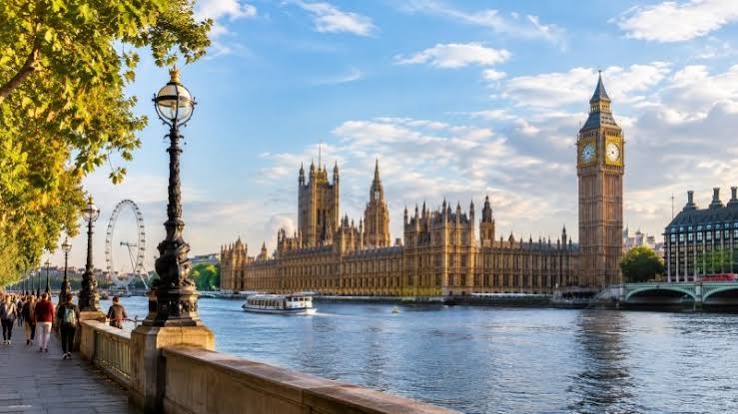
London is a city where centuries of history exist alongside modern culture, entertainment, shopping, food, and architecture. A single walk can take you from a medieval landmark to a modern shopping district, while the city’s museums, parks, markets, theaters, and neighborhoods provide endless opportunities for discovery.
For first-time visitors, London’s size can make planning seem complicated. There are famous attractions in almost every direction, and trying to see everything in a short vacation can quickly become exhausting. A better approach is to combine major landmarks with local neighborhoods and leave enough time to enjoy the atmosphere between attractions.
Whether you are interested in British history, art, architecture, royal landmarks, food, shopping, or simply exploring a famous world city, these 15 experiences can help you make the most of your London visit.
⚡ Key Takeaways at a Glance
- Free National Museums: The British Museum, Natural History Museum, and Tate Modern offer completely free general admission.
- Contactless Tube Payments: Use a contactless debit/credit card or Apple/Google Pay on the Underground for automatic daily fare capping.
- Borough Market Timing: Visit Borough Market on Thursday or Friday morning to avoid peak weekend tourist congestion.
- Sky Garden Panorama: Free public access tickets are released in limited batches on the official Sky Garden portal on Monday mornings, typically for visit windows up to three weeks ahead. Editorial recommendation: reserve as soon as weekly booking windows open, as complimentary slots fill rapidly, particularly for late-afternoon and sunset admission.
1. Visit the Tower of London

The Tower of London is one of the city’s most famous historic landmarks. Built nearly a thousand years ago, the complex has served different purposes throughout British history, including as a royal residence, fortress, prison, and place associated with important historical events.

Visitors can explore the medieval buildings, defensive structures, and exhibitions within the complex. The Crown Jewels are among its best-known attractions, while the Yeoman Warders provide historical information and guided experiences.
Allow several hours for your visit because the Tower is much larger than it may appear from outside. Its location also makes it convenient to combine with a walk along the River Thames and a visit to Tower Bridge.
2. Walk Across Tower Bridge
Tower Bridge is one of London’s most recognizable pieces of architecture. Its distinctive towers and suspension structure make it easy to recognize in photographs, but seeing it in person provides a better appreciation of its scale.
Visitors can cross the bridge on foot while enjoying views of the Thames and surrounding parts of London. The bridge exhibition also explains its engineering and history.
For a memorable walk, explore the area around the Tower of London first and then continue across Tower Bridge. The combination creates an easy route through one of the city’s most historic waterfront areas.
3. Explore the British Museum
The British Museum contains an enormous collection covering human history, cultures, archaeology, and art from different parts of the world.
Because the collection is extensive, trying to see everything in one visit is unrealistic. Choose a few galleries that interest you most and give yourself enough time to appreciate them.
The museum is particularly valuable for travelers interested in ancient civilizations and world history. It also provides a useful indoor activity when London’s weather is less cooperative.
4. See Buckingham Palace
Buckingham Palace is closely associated with the British monarchy and is one of London’s most recognizable landmarks.
Visitors can watch the Changing of the Guard on selected days and explore the surrounding area. Depending on the season and current arrangements, parts of the palace may also be open to visitors.
Even when you cannot enter, the surrounding streets and nearby St James’s Park make the area worthwhile. Combine the palace with a walk through the park toward Westminster for an enjoyable sightseeing route.
5. Explore Westminster

Westminster contains many of London’s most important political and historic landmarks. Westminster Abbey, the Palace of Westminster, and the Houses of Parliament are all located within this area.
Big Ben is one of the city’s most recognizable symbols and forms part of the Palace of Westminster complex.
Walking around Westminster allows you to see several landmarks without spending the entire day traveling between attractions. It is particularly impressive around the Thames, where the architecture creates memorable city views.
6. Visit Westminster Abbey
Westminster Abbey has played an important role in British history for centuries. It is known for royal ceremonies, historic figures, memorials, architecture, and religious significance.
The interior contains numerous monuments and architectural details, so visitors interested in history should allow plenty of time to explore.
Because it remains a place of worship, visitors should behave respectfully and follow any instructions regarding photography, services, and restricted areas.
7. Ride the London Eye
The London Eye provides an elevated view across central London and the River Thames. Its large observation capsules give visitors a broad perspective of the city.
Seeing London from above can help you understand how the different neighborhoods and landmarks connect. On a clear day, views extend across a substantial part of the capital.
The London Eye is particularly attractive around sunset, although popular times can become busy. Booking ahead can be useful if you have a specific time in mind.
8. Walk Along the South Bank
The South Bank is one of the most enjoyable areas for a relaxed walk beside the River Thames.
The route passes cultural attractions, restaurants, public spaces, and landmarks while providing views toward central London.
You can combine the walk with the London Eye, Tate Modern, Shakespeare’s Globe, Millennium Bridge, or Borough Market. Rather than rushing between attractions, take time to enjoy the river and street atmosphere.
9. Explore the Natural History Museum
The Natural History Museum is one of London’s most impressive museums and an excellent destination for families, science enthusiasts, and anyone interested in the natural world.
Its collections cover subjects such as dinosaurs, fossils, minerals, animals, human biology, and the development of Earth.
The building itself is also worth seeing because of its detailed architecture and enormous interior spaces. Nearby museums such as the Victoria and Albert Museum and the Science Museum make South Kensington an excellent area for a full day of cultural exploration.
10. Visit the National Gallery
Located in Trafalgar Square, the National Gallery provides an opportunity to see major works of European painting in a historic central London setting.
Art lovers can spend several hours exploring its galleries, while casual visitors can choose a smaller selection of works that interest them.
After visiting the gallery, step outside into Trafalgar Square and continue toward Covent Garden, Leicester Square, or St James’s. The central location makes it easy to combine with other attractions.
11. Discover Covent Garden
Covent Garden is one of London’s most entertaining neighborhoods for visitors who enjoy shopping, food, architecture, and street performances.
The central market area contains shops, restaurants, cafés, and entertainment, while surrounding streets offer additional places to explore.
The neighborhood is particularly lively during the day, but the nearby West End makes it easy to continue into an evening of theater or dining.
12. See a West End Show
London’s West End is one of the world’s major theater districts. Visitors can choose from long-running musicals, plays, comedy productions, and new shows.
Seeing a performance can add an entirely different dimension to a city break. Rather than spending every evening sightseeing, choose one night for a theater experience.
Check current schedules and ticket arrangements before your trip. Flexible visitors may have more choices, while travelers interested in a particular production should plan ahead.
13. Explore Borough Market
Borough Market is an excellent place for travelers who want to explore London’s food culture. The market brings together food producers, prepared dishes, baked goods, international flavors, and specialty products.

It can be a good stop during a South Bank itinerary because of its location near London Bridge and the Thames.
Visit with an appetite and allow time to browse rather than choosing the first thing you see. The variety is part of the experience.
14. Relax in Hyde Park
London is famous for its parks, and Hyde Park is one of the best-known green spaces in the capital.
The park provides an opportunity to escape the density of central London without leaving the city. Visitors can walk, relax beside the water, explore gardens, and enjoy the open landscape.
Hyde Park can also be combined with Kensington Gardens and nearby attractions. It is an especially useful place to slow down after several hours of sightseeing.
15. Explore Camden Market and Camden Town
Camden is known for its alternative atmosphere, markets, food, music, fashion, and distinctive shops. It offers a different side of London from the formal architecture around Westminster.
Camden Market provides plenty of opportunities to browse clothing, crafts, souvenirs, and food. The surrounding streets are also worth exploring because the neighborhood’s character extends beyond the market itself.
Travelers who enjoy music and alternative culture may want to spend several hours in the area rather than treating it as a quick shopping stop.
How to Get Around London
London’s public transportation network makes it possible to reach most major tourist areas without relying on a car. The Underground is particularly useful for longer journeys across central and greater London, while buses can provide a more scenic way to travel.
Walking is also an excellent option when attractions are relatively close together. Some of the best sightseeing experiences come from walking between landmarks rather than traveling directly from one station to another.
Plan your days by neighborhood whenever possible. Combining nearby attractions saves time and leaves more opportunities for exploring.
How Many Days Should You Spend in London
A three-day trip can cover several famous landmarks, but four or five days allows a much more comfortable pace.

A shorter visit might focus on Westminster, Buckingham Palace, the Tower of London, the Thames, and one or two museums. A longer stay allows time for markets, parks, neighborhoods, theater, and additional cultural attractions.
If you have a week or more, consider exploring areas outside the most famous tourist routes. London’s neighborhoods often reveal details about the city’s character that major landmarks cannot show.
Tips for a More Enjoyable Visit
Wear comfortable shoes because London rewards travelers who walk. Keep an umbrella or rain jacket available because weather can change quickly.
Reserve popular attractions ahead of time when possible, particularly if you want to visit at a specific hour. Also check opening schedules before traveling across the city.
Avoid filling every day with expensive attractions. London has many parks, historic streets, public spaces, and free cultural experiences that can be just as enjoyable.
Most importantly, leave room for unexpected discoveries. A small café, historic street, bookshop, market stall, or quiet park can sometimes become one of the most memorable parts of a London vacation.
Final Thoughts
London offers an extraordinary mixture of history, culture, architecture, entertainment, food, and everyday city life. Its most famous landmarks deserve a place on a first-time visitor’s itinerary, but the city becomes even more interesting when you explore beyond the obvious attractions.
Spend time beside the Thames, wander through historic neighborhoods, visit a museum, enjoy a West End performance, discover a local market, or simply relax in one of the city’s enormous parks.
A successful London trip does not require seeing every attraction. Choose experiences that genuinely interest you, group nearby places together, use public transportation wisely, and leave enough time to enjoy the city at a comfortable pace. That balance can turn a busy sightseeing trip into a memorable experience of one of the world’s most fascinating cities.
💡 London Tube Fare Cap: Never buy paper tickets for the Underground. Tap in and out with any contactless credit card or Apple/Google Pay for automatic daily fare capping.
Related European Capital Guides: If you are planning a multi-capital European vacation, pair this London itinerary with our breakdown of the complete travel guide to Paris. To stretch your British pounds and manage daily transit costs, consult our guide to the best budget destinations in Europe.
Official Tourism & Transit Resources: Consult the Official Visit London Guide for West End theater schedules, and plan underground journeys using Transport for London (TfL).
Frequently Asked Questions
Are museums in London free to enter?
Yes! World-class national institutions including the British Museum, Natural History Museum, Science Museum, and Tate Modern offer free general admission.