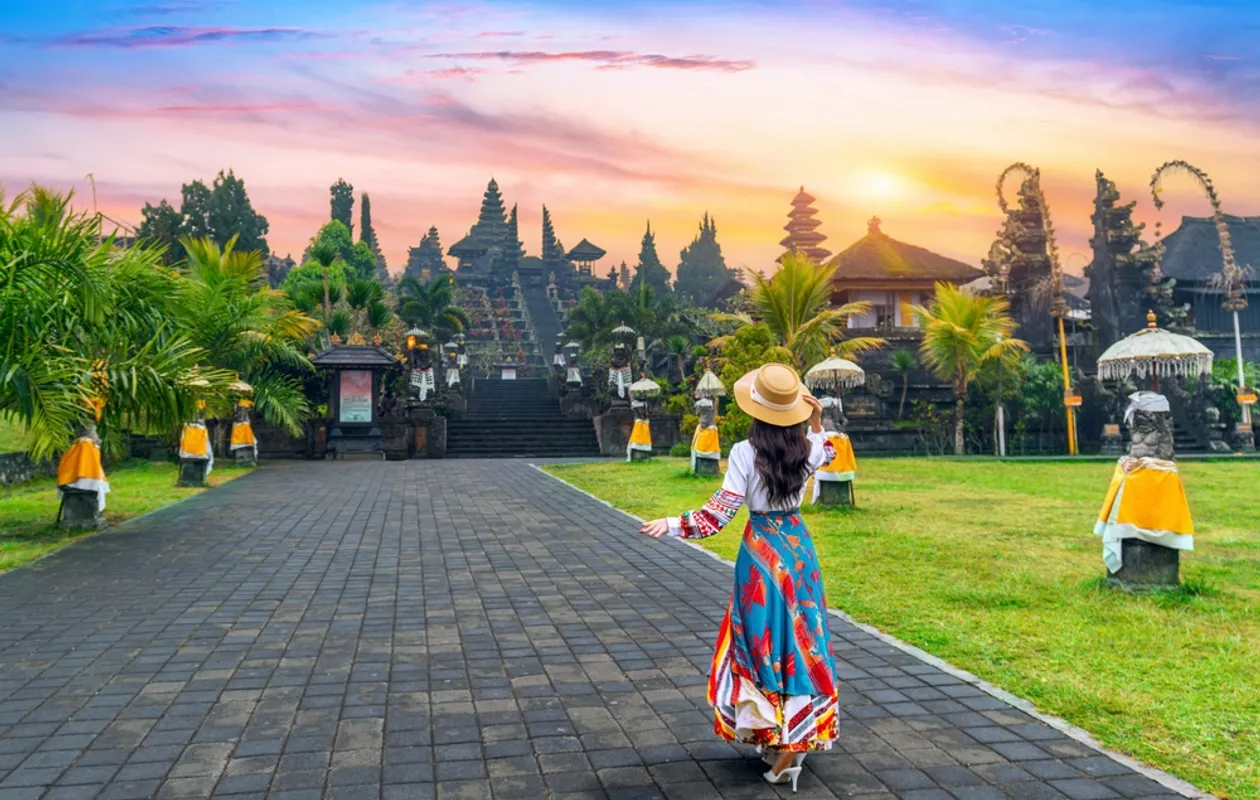
Bali has a remarkable ability to appeal to completely different kinds of travelers. Someone looking for peaceful mornings surrounded by rice fields can find them in Ubud, while another visitor may prefer surfing, nightlife, hiking, diving, or relaxing beside the ocean. The island also offers a deep cultural experience through temples, traditional arts, ceremonies, local markets, and distinctive Balinese cuisine.
One of the best ways to enjoy Bali is to avoid treating it as a destination with only one type of attraction. The island combines beaches, mountains, forests, villages, cultural sites, and outdoor adventures within a relatively compact area. That variety makes it possible to create a vacation around your own interests rather than following a single standard itinerary.
Whether you are visiting for relaxation, adventure, culture, food, nature, or a romantic escape, these experiences can help you discover a different side of Bali.
⚡ Key Takeaways at a Glance
- Dry Season Advantage: May through September represents Bali’s relatively drier season with greater sunshine and lower rainfall compared to monsoon months, though tropical warmth and moderate humidity remain year-round according to BMKG climate records.
- Temple Dress Code: Always wear a sarong and sash when entering holy Balinese temple grounds (often rented on site).
- Private Driver Convenience: Hiring a licensed driver with car for a 10-hour day typically ranges from IDR 600,000 to IDR 900,000 (~$38 – $58 USD, verified November 2026) depending on vehicle capacity, route distance, and fuel/toll inclusions (verified 2026), providing a safe, comfortable alternative to congested scooter routes
- Island Hopping: Dedicate 2 days to explore Nusa Lembongan and Nusa Penida for world-class marine life.
1. Explore the Cultural Heart of Ubud
Ubud is an excellent choice for travelers who want to experience Bali beyond its beaches. The area is known for its artistic traditions, temples, rice fields, wellness experiences, galleries, markets, and surrounding countryside. Indonesia’s official tourism guide describes Ubud as a cultural and artistic center surrounded by lush landscapes and rice terraces.

Spend a morning walking through the town before exploring the surrounding countryside. The Tegalalang area offers scenic rice terraces, while the Ubud Monkey Forest combines natural surroundings with cultural and religious sites.
Ubud is also well suited to travelers who enjoy slower vacations. You can spend an afternoon visiting an art gallery, enjoying Balinese food, relaxing at a spa, or simply walking through quieter streets. Those looking for adventure can add activities such as cycling or rafting to their itinerary.
2. Relax on Bali’s Beautiful Beaches

Beach lovers have plenty of choices in Bali, but the island’s beaches are not all alike. Kuta is associated with surfing and a lively atmosphere, while Sanur is known for calmer surroundings and sunrise views. Nusa Dua provides a more resort-oriented environment, while areas such as Jimbaran combine beaches with seafood dining.
The best beach depends on what you want from your day. Surfers may prefer locations with stronger waves, while travelers looking for relaxation might choose a quieter coastline.
Instead of visiting only one beach, consider exploring two or three different coastal areas during your stay. This allows you to see how dramatically the atmosphere can change from one part of Bali to another.
3. Watch the Sunset at Tanah Lot
Tanah Lot is one of Bali’s most recognizable coastal landmarks. The temple sits on a rocky formation surrounded by the sea and is particularly well known for its sunset scenery.
The surrounding area is designed for visitors, with viewpoints and places where you can pause before or after seeing the temple. Sunset can be busy, so arriving earlier gives you more time to find a comfortable viewing location.
The attraction is especially suitable for photographers and travelers who enjoy combining cultural landmarks with dramatic natural scenery. Remember that temples are active religious places, so visitors should behave respectfully and follow local rules.
4. Experience Uluwatu and the Southern Coast
Uluwatu offers a combination of dramatic cliffs, ocean views, beaches, surfing areas, and cultural experiences. The Uluwatu Temple stands high above the Indian Ocean and has become one of the best-known landmarks in southern Bali.
The surrounding coastline is particularly attractive for travelers who enjoy photography and spectacular sunset scenery. The area also provides access to beaches and surf spots that attract visitors from around the world.
For a more complete experience, combine the temple area with time on the southern coast rather than treating Uluwatu as a quick stop.
5. Hike Mount Batur for a Sunrise Experience
Adventure travelers can consider an early morning hike on Mount Batur. The volcano overlooks Lake Batur and provides a completely different experience from Bali’s beaches and resort areas.
A sunrise hike requires preparation because the journey begins before daylight. Wear appropriate footwear, carry sufficient water, and use a reputable local guide if one is recommended or required for your chosen route.
The reward is the opportunity to watch the landscape gradually appear as daylight spreads across the surrounding mountains and lake. It is an experience best suited to travelers who are comfortable with an early start and a physically active morning.
6. Discover Bali’s Rice Terraces
Bali’s rice terraces demonstrate how agriculture and landscape have become deeply connected to the island’s cultural identity. Tegalalang near Ubud is one of the best-known areas for visitors, while Jatiluwih provides another impressive agricultural landscape.

Walking through these landscapes gives travelers a chance to see a quieter side of Bali. Instead of simply stopping at a viewpoint for photographs, consider taking a guided walk or spending additional time learning about local farming traditions.
The experience is especially appealing to photographers, nature lovers, and travelers who prefer scenic environments over busy tourist districts.
7. Visit Bali’s Important Temples
Temples are an important part of Balinese life, and visiting them can provide a deeper understanding of the island’s culture. Besakih, Tanah Lot, Uluwatu, Ulun Danu Beratan, and Tirta Empul are among the temples and religious sites highlighted by Indonesia’s tourism authorities.
Each location offers something different. Some are associated with dramatic coastal scenery, while others are surrounded by mountains, lakes, forests, or traditional communities.
Visitors should remember that these are places of worship rather than simply tourist attractions. Dress respectfully, follow entrance instructions, and be considerate when ceremonies or religious activities are taking place.
8. Go Snorkeling or Diving

Bali is an appealing destination for travelers interested in underwater experiences. Several coastal areas offer opportunities for snorkeling and diving, while nearby islands provide additional marine attractions.
Nusa Penida and surrounding islands are known for marine activities, while Menjangan Island in western Bali is recognized for diving and coral reef experiences.
If you are inexperienced, choose a reputable operator and make sure the activity matches your ability level. Marine conditions can change, so always follow instructions from qualified guides.
Responsible snorkeling and diving are also important. Avoid touching coral, disturbing marine life, or leaving anything behind in the water.
9. Take a Trip to Nusa Penida
Nusa Penida offers dramatic cliffs, beaches, viewpoints, and clear coastal waters. Its landscapes are very different from the more developed areas of southern Bali.
The island can be visited as a day trip, but travelers who want a slower experience may prefer to stay longer. Some roads and routes can be challenging, so do not attempt to pack too many distant locations into one day.
Kelingking Beach, Atuh Beach, and Broken Beach are among the locations associated with Nusa Penida, while marine areas around the island also attract divers and snorkelers.
The island is particularly suitable for adventurous travelers and photographers, but the terrain means comfortable footwear and sensible planning are important.
10. Try Traditional Balinese Food
Food lovers can discover another side of Bali by exploring local cuisine. Traditional dishes use combinations of spices, herbs, meat, vegetables, rice, and other regional ingredients.
Ayam Betutu, sate lilit, lawar, and other Balinese specialties provide opportunities to experience flavors that may be unfamiliar to international visitors. Indonesia’s tourism authority highlights Balinese cuisine as an important part of the island’s travel experience.
Do not limit your food experiences to high-end restaurants. Local eateries, traditional markets, and casual restaurants can provide a more varied introduction to Balinese cooking.
Travelers with allergies or dietary restrictions should communicate clearly with restaurant staff before ordering.
11. Enjoy a Wellness and Spa Day
Bali has become strongly associated with wellness travel, and Ubud in particular offers numerous opportunities to slow down and relax. Visitors can find yoga classes, traditional treatments, spas, meditation experiences, and peaceful surroundings.
A wellness day can be a useful break between more active excursions. After several days of sightseeing, hiking, or island trips, spending a morning or afternoon relaxing can help create a more balanced itinerary.
You do not need to book an expensive resort treatment to enjoy this side of Bali. Travelers can compare different wellness experiences and choose something that fits their budget and interests.
12. Explore Local Markets and Traditional Crafts
Travelers looking for souvenirs can explore Bali’s markets and craft traditions. Ubud Art Market and Sukawati Art Market are among the places associated with local handicrafts, artwork, textiles, and decorative items.
Shopping in Bali can be more enjoyable when you take time to understand what you are buying. Handmade products may vary in quality, materials, and craftsmanship, so look carefully before making a purchase.
Markets are also useful for experiencing everyday local activity. Even if you do not plan to buy anything, walking through the stalls can introduce you to regional designs, foods, crafts, and traditional products.
How to Choose the Right Bali Experiences
The best Bali itinerary depends on the kind of traveler you are. Beach lovers might spend more time around the southern coast, while culture enthusiasts may prefer Ubud and the island’s temples.
Adventure travelers can combine hiking, snorkeling, diving, rafting, and island trips. Couples may prefer a mixture of scenic locations, beach time, cultural experiences, and relaxing meals.
Families can choose attractions with manageable travel times and activities suitable for different ages. Travelers seeking a quieter vacation may want to spend more time in Ubud, Sanur, or less crowded areas rather than moving between the busiest tourist centers every day.
How Many Days Do You Need in Bali
A short trip of four or five days can provide a taste of Bali, but a week or more allows you to experience several different sides of the island.
A seven-day itinerary could include Ubud, southern beaches, a temple or cultural excursion, and one island or nature experience. With ten days or more, travelers can move at a slower pace and add activities such as hiking, diving, wellness experiences, or a longer visit to Nusa Penida.
Avoid assuming that more destinations automatically create a better vacation. Bali’s traffic, roads, boat schedules, and distances between attractions can make constant movement tiring.
Respect the Island While You Travel
Bali’s natural and cultural attractions depend on responsible tourism. Visitors should respect temples, avoid littering, protect marine environments, and follow local instructions.
When visiting natural areas, stay on appropriate paths and avoid damaging plants or wildlife habitats. At beaches and underwater sites, do not remove coral, shells, or other natural materials.
Respecting local traditions is equally important. A thoughtful traveler can enjoy Bali’s attractions while recognizing that many of the island’s most beautiful places are also meaningful to the communities that live there.
Final Thoughts
Bali offers far more than a tropical beach holiday. Its appeal comes from the combination of natural scenery, cultural traditions, adventure, food, wellness, art, and peaceful landscapes.
The best experience depends on your personal interests. A surfer may remember the coastline, a nature lover may remember the rice terraces, a culture enthusiast may remember the temples, and an adventure traveler may remember an early morning on Mount Batur or an underwater excursion.
Rather than trying to experience every famous location, choose activities that match your travel style and give yourself enough time to enjoy them. With a balanced itinerary, respectful behavior, and room for unexpected discoveries, Bali can offer a rewarding experience for almost every type of traveler.
💡 Bali Transport Tip: Check the fare and pickup instructions in the Grab or Gojek apps before confirming; availability and access rules differ by area, and some tourist sites have designated local transport zones.
Related Tropical Itineraries: For travelers crafting an extended itinerary across Southeast Asia, compare Bali’s cultural immersion with our complete guide to traveling around Thailand. For advice on choosing eco-resorts versus beach villas, explore our tips on how to choose the right hotel for your next trip.
Official Tourism Resources: Stay informed regarding tourist levy requirements, temple etiquette protocols, and marine sanctuary guidelines via the Wonderful Indonesia Official Tourism Portal and the Bali Tourism Board.
Frequently Asked Questions
Where should I stay in Bali for my first time?
Split your stay: spend 3 to 4 days in Ubud for yoga, waterfalls, and arts, followed by 3 to 4 days in Seminyak, Canggu, or Uluwatu for beaches and sunsets.