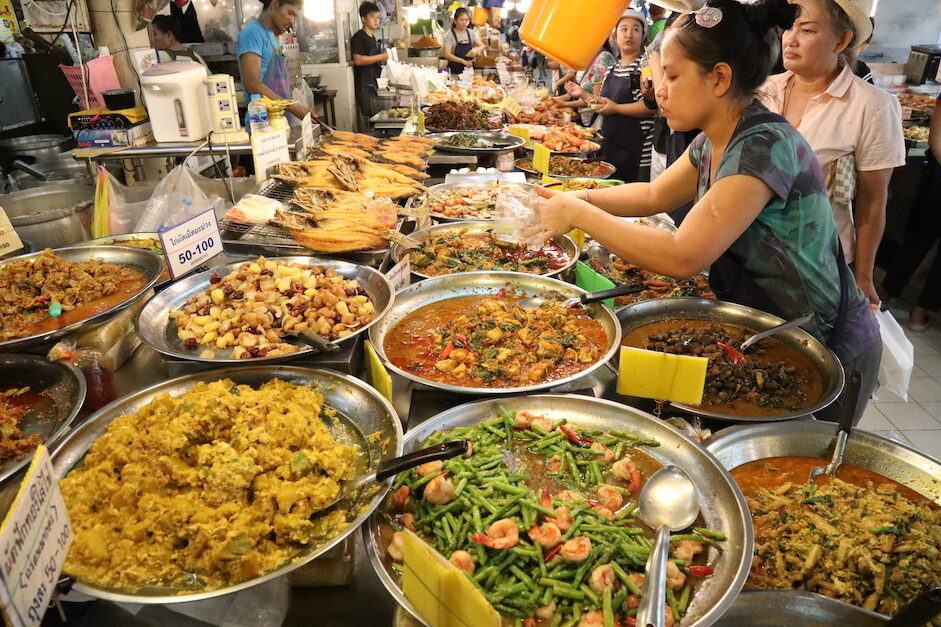
Bangkok is a city where food is woven into everyday life. Walk through a busy neighborhood and you may see vendors preparing noodles over steaming pots, cooks turning ingredients in blazing hot woks, skewers grilling over charcoal, and colorful desserts being assembled right beside the sidewalk. For travelers, this makes eating in Bangkok much more than simply finding something to satisfy hunger. It becomes a way to experience the city’s energy, traditions, flavors, and daily routines.
Thai street food is known for combining different tastes in a single dish. Sweet, salty, sour, spicy, bitter, and savory elements can appear together, creating flavors that are often much more complex than their simple appearance suggests. Bangkok also offers an enormous variety of street foods, ranging from inexpensive noodle dishes and grilled meats to seafood, rice meals, fresh fruit, and traditional desserts. Thailand’s tourism authorities describe street food as a major part of the country’s food culture, with stalls and vendors offering everything from rice dishes and noodles to curries and spicy salads.
For first-time visitors, choosing what to eat can feel overwhelming because there are so many possibilities. The following dishes provide a useful starting point for discovering some of Bangkok’s most recognizable street foods.
⚡ Key Takeaways at a Glance
- High Turnover Rule: Look for food prepared hot to order, clean handling surfaces, safe storage, and fresh turnover; these signs can help but cannot guarantee safety.
- Chinatown (Yaowarat): Visit Yaowarat after sunset for one of Bangkok’s most vibrant and celebrated evening street dining hubs.
- Bottled Water Only: Drink sealed bottled or filtered water from reputable vendors; consume sealed bottled water where appropriate, and exercise caution with ice depending on vendor food hygiene.
- Sweet Finish: Mango sticky rice is best enjoyed during peak mango season from March through June.
Pad Thai

Pad Thai is one of the easiest Thai dishes for international visitors to recognize, but eating it freshly prepared on a Bangkok street can be very different from eating a version made abroad. The dish generally combines stir-fried rice noodles with ingredients such as egg, tofu, dried shrimp, tamarind, fish sauce, vegetables, and crushed peanuts. Lime and additional seasonings can be added according to personal taste.

What makes street-side Pad Thai especially enjoyable is watching it being prepared directly in front of you. The ingredients are quickly combined in a hot wok, creating a fragrant dish that can be served almost immediately. You can find Pad Thai throughout Bangkok, including busy areas that attract visitors and neighborhoods where residents regularly stop for a quick meal.
Som Tam

Som Tam is a refreshing and intensely flavored green papaya salad that offers a completely different experience from noodle-based dishes. Thin strips of unripe papaya are traditionally combined with ingredients such as chili, lime, fish sauce, tomatoes, peanuts, and palm sugar. The ingredients are pounded and mixed together, allowing their flavors to blend.
The level of heat can vary considerably, so travelers who are not accustomed to very spicy food may want to request a milder version. For adventurous eaters, however, Som Tam provides an excellent introduction to the balance of spicy, sour, salty, and sweet flavors that makes Thai cuisine distinctive.
Moo Ping
Moo Ping consists of marinated pork skewers grilled over charcoal. The smell of the meat cooking over hot coals can be enough to attract hungry travelers from several meters away.
These skewers are particularly convenient when exploring Bangkok because they can be eaten while walking or paired with sticky rice for a more substantial snack. The marinade can provide a combination of savory and slightly sweet flavors, while charcoal grilling adds a smoky character. Moo Ping is a simple food, but it demonstrates how Thai street cooking can turn everyday ingredients into something deeply satisfying.
Khao Man Gai
Khao Man Gai is a popular chicken and rice dish that can be a good choice for travelers who want something relatively mild. It usually consists of tender chicken served over fragrant rice, accompanied by a flavorful dipping sauce and often a light broth.
The rice is an important part of the dish rather than simply being a side. It is traditionally prepared using chicken cooking liquid and aromatics, giving it a distinctive taste. Bangkok’s street food scene includes many stalls specializing in straightforward rice dishes such as chicken rice and braised pork served over rice.
Boat Noodles
Boat noodles are famous for their small servings and concentrated flavors. Traditionally associated with vendors serving customers from boats along Bangkok’s canals, the dish has developed into a popular noodle meal that can now be found at restaurants and food areas around the city.
A bowl may contain noodles, meat, herbs, vegetables, and a strongly flavored broth. Because portions can be relatively small, travelers often order several bowls and compare different versions. This makes boat noodles particularly enjoyable for people who want to sample several foods during the same meal.
Tom Yum

Tom Yum is one of Thailand’s most recognizable soups and is known for its combination of spicy, sour, aromatic, and savory flavors. Depending on the preparation, it can include shrimp, seafood, chicken, mushrooms, herbs, and other ingredients.
The soup is often associated with ingredients such as lemongrass, lime, chili, and galangal, which give it its distinctive aroma and sharp flavor. Bangkok street food vendors and casual eateries may serve noodle versions of Tom Yum as well as soup-based preparations. Thailand’s tourism resources list Tom Yum among the country’s well-known local dishes.
Gai Yang

Gai Yang is Thai-style grilled chicken that is commonly prepared over charcoal. The chicken is marinated before grilling, allowing the seasoning to penetrate the meat while the outside develops a smoky and slightly crisp character.
It can be enjoyed by itself or alongside sticky rice and dipping sauce. Because grilled chicken is easy to share, Gai Yang is also a practical choice for travelers exploring Bangkok with friends or family.
Khao Pad

Khao Pad is Thai fried rice and is one of the most accessible dishes for visitors who may be uncertain about trying stronger flavors. It is typically cooked in a wok with rice, egg, vegetables, seasoning, and a choice of meat or seafood.
The high heat of the wok gives the rice a distinctive aroma while allowing the ingredients to cook quickly. A squeeze of lime or a little chili can add extra flavor. Bangkok’s food stalls commonly offer fried rice among their quick and convenient meals.
Guay Jub
Guay Jub is a noodle soup that has become particularly associated with Bangkok’s Chinatown. It features rolled rice noodles in a peppery broth and can be served with ingredients such as crispy pork and other meats.
Yaowarat, Bangkok’s Chinatown, is particularly well known for its evening food scene, and Thailand’s tourism authority specifically highlights Guay Jub among the foods visitors can discover there.
The combination of chewy noodles, fragrant broth, and crispy pork creates several textures in one bowl. It is an excellent dish to seek out during an evening walk through Yaowarat.
Hoy Tod
Hoy Tod is a crispy Thai-style oyster or seafood omelet that is particularly enjoyable for travelers who like seafood. Eggs are cooked with seafood and a batter that develops a crisp exterior while remaining softer inside.
The dish can be served with bean sprouts and a savory sauce. Versions vary, and some vendors prepare it with mussels or other seafood. It is especially worth trying in areas known for seafood-focused street food.
Satay
Thai satay consists of seasoned meat cooked on skewers, usually over charcoal. Chicken is particularly common, and the skewers may be served with peanut sauce and other accompaniments.
Satay is easy to eat while exploring and works well as a snack between larger meals. The smoky aroma from the grill combined with the savory marinade and creamy dipping sauce makes it a dependable choice for travelers who want something familiar while still experiencing Thai flavors.
Pad Kra Pao

Pad Kra Pao is a stir-fried dish built around fragrant holy basil, meat, chili, garlic, and seasoning, usually served with rice. A fried egg is also a popular addition.
The dish is prepared quickly in a hot wok, creating an intense aroma as the garlic, chili, meat, and basil come together. It is one of the foods worth trying when you want a filling meal that reflects the bold flavors of everyday Thai cooking.
Mango Sticky Rice
After exploring savory foods, mango sticky rice provides a completely different experience. This popular Thai dessert combines ripe mango with sweet sticky rice and coconut-based sauce.
The contrast between soft rice, creamy coconut flavor, and juicy mango makes it particularly refreshing after a spicy meal. Bangkok’s tourism resources identify mango sticky rice as one of the country’s famous desserts, making it an easy addition to a first-time food itinerary.
Pa Thong Ko
Pa Thong Ko is a deep-fried dough snack that is particularly popular around Bangkok’s Chinatown. The golden pieces are crisp on the outside and soft inside and can be enjoyed with sweet dips such as condensed milk or pandan-flavored sauces.
Thailand’s tourism authority features a Pa Thong Ko vendor on Yaowarat Road and describes the snack as a beloved local food.
It is an excellent option for breakfast or as a small snack while exploring Chinatown.
Thai Coconut Desserts
Bangkok’s street food experience is not complete without trying some of its traditional sweets. Coconut milk appears in many Thai desserts, often combined with sticky rice, pandan, beans, fruit, or other ingredients.
Street vendors and market stalls can offer colorful sweets that are unfamiliar to international visitors. Instead of choosing only the desserts you recognize, consider ordering a small portion of something new. Sampling several inexpensive sweets can turn dessert into an enjoyable part of the exploration.
Where to Explore Bangkok Street Food
Yaowarat is one of the most famous areas for street food in Bangkok, particularly during the evening. The neighborhood combines Thai and Chinese influences and offers noodles, seafood, grilled foods, desserts, fruit, and many other choices. Thailand’s tourism authorities describe Yaowarat as a major street food destination and highlight its evening atmosphere.
Other areas can provide different experiences. Khao San Road is known for its lively atmosphere and food aimed partly at visitors, while Silom has street food options connected with the area’s busy daytime activity. Saphan Kwai and Soi Ari also have food vendors and casual eating spots.
Rather than trying to visit every famous food street, choose a neighborhood that fits your sightseeing plans and spend several hours exploring it slowly.
Tips for Enjoying Street Food in Bangkok
A good approach is to watch how a stall operates before ordering. Vendors with a steady flow of customers often have ingredients moving regularly, while food prepared in front of you can make it easier to see how your meal is handled. Thailand’s tourism guidance also notes that busy stalls can be useful choices because ingredients are being used regularly.

Travelers should also remember that spicy food can be much hotter than expected. If you are sensitive to chili, ask for a milder preparation. Carrying tissues and drinking water can also be useful during a long food walk, especially in Bangkok’s warm and humid conditions.
It is also worth pacing yourself. Street food portions can be small enough to make sampling several dishes practical, but ordering too much at the first stall can prevent you from discovering foods farther along the street.
Discovering Bangkok One Bite at a Time
Bangkok’s street food culture gives travelers a direct connection with the city’s everyday life. From sizzling Pad Kra Pao and smoky Moo Ping to fragrant noodle soups, fresh Som Tam, crispy seafood dishes, and sweet mango sticky rice, there is an enormous range of flavors waiting to be discovered.
The best part of a Bangkok food adventure is that you do not need to plan every meal in advance. Choose a neighborhood, walk slowly, watch the vendors prepare their dishes, and try foods that catch your attention. A simple meal from a busy sidewalk stall can become one of the most memorable parts of a trip to Thailand.
For first-time visitors, the dishes above provide a strong starting point. Once you become comfortable with Thai flavors, you can move beyond the familiar choices and explore the many regional ingredients, desserts, noodles, curries, grilled foods, and snacks that make Bangkok one of the most diverse food destinations in Southeast Asia.
💡 Street Food Hub: Head to Yaowarat Road (Bangkok Chinatown) after sunset for an exhilarating stretch of seafood stalls, dim sum, and dessert stands.
Related Asian Gastronomy Guides: Bangkok’s street food culture pairs perfectly with regional exploration. Read our comprehensive guide to traveling around Thailand. If you love discovering authentic street dishes, compare Thai flavors with our guide to 12 traditional foods to try in Japan.
Official Gastronomy Resources: Discover certified culinary walking tours and food safety initiatives through the Tourism Authority of Thailand Bangkok Gastronomy Directory and the Michelin Guide Bangkok Street Food.
⚠️ Bangkok Street Food Allergy Advisory: Many iconic Thai dishes utilize common allergens including peanuts, shrimp paste, fish sauce (nam pla), shellfish, soy, eggs, and pork. Cross-contact between utensils and woks is common at street stalls. If you have severe food allergies, carry a printed translation card in Thai script explaining your allergy clearly, and verify ingredients with the cook before ordering.
Frequently Asked Questions
Is street food in Bangkok safe to eat?
Yes! Eat at stalls with high turnover where food is cooked fresh to order in boiling woks before your eyes. Choose vendors with observable clean food handling practices and hot freshly prepared dishes.