Japan is a country where ancient traditions and modern innovation exist side by side. In one journey, travelers can walk through peaceful temple gardens, explore energetic shopping districts, taste regional specialties, and experience some of the world’s most efficient urban transportation. From the enormous scale of Tokyo to the historic streets of Kyoto and the welcoming atmosphere of Osaka, each city offers a different perspective on Japanese culture.
Choosing where to go can be difficult because Japan has many fascinating destinations. Some cities are famous for history and traditional architecture, while others are known for food, technology, nature, art, or their connection to important moments in Japanese history. For travelers planning their first or next visit, the following cities provide a broad introduction to the country’s remarkable diversity.
⚡ Key Takeaways at a Glance
- Suica or Pasmo Digital Cards: Add digital IC transit cards directly to your Apple Wallet for tap-and-go train rides.
- Shinkansen Luggage Rules: Reserve dedicated oversized baggage seats when traveling with luggage larger than 160 cm total dimensions (L+W+H) on Tokaido, Sanyo, and Kyushu Shinkansen lines. Note that JR Pass price increases implemented in late 2023 make point-to-point regional tickets often more cost-effective.
- Kyoto Morning Strategy: Visit Fushimi Inari and Arashiyama Bamboo Grove before 7:30 AM to avoid mid-day tour buses.
- Coin Lockers: Many major train stations offer coin lockers, but availability, size, and payment options vary; check station information and have a backup plan for oversized luggage.
Tokyo
Tokyo is often the first destination travelers consider when planning a trip to Japan, and the city provides an extraordinary introduction to modern Japanese life. It combines enormous commercial districts with quiet temples, traditional neighborhoods, gardens, museums, and residential streets. The official Japan National Tourism Organization describes Tokyo as a place where modern bustle and traditional tranquility exist together.

Visitors can explore the famous Shibuya area, walk through the historic district of Asakusa, enjoy shopping in Ginza, or discover the energetic streets of Shinjuku. Tokyo is also a fascinating destination for food lovers because restaurants range from small neighborhood establishments to sophisticated dining venues.
The city’s size can initially feel overwhelming, but its extensive rail and subway networks make it possible to explore different districts efficiently. Rather than trying to see everything in one day, travelers can choose several neighborhoods and experience each at a comfortable pace.
Kyoto

Kyoto is one of the most important destinations for travelers interested in Japanese history and traditional culture. The city served as Japan’s imperial capital for more than a thousand years and remains closely associated with temples, shrines, gardens, traditional wooden houses, seasonal festivals, tea culture, and distinctive cuisine.
Visitors can explore historic areas such as Gion and Higashiyama, admire the gardens around traditional temples, and walk through the atmospheric streets of older neighborhoods. Arashiyama is another popular area, particularly known for its bamboo landscape and surrounding natural scenery.
Kyoto can become crowded around major attractions, so travelers may have a more enjoyable experience by visiting popular locations early in the day and respecting local communities. The city also works well as a base for exploring nearby destinations such as Nara and Osaka.
Osaka

Osaka is known for its lively atmosphere, food culture, shopping, entertainment, and welcoming urban energy. The city has a distinct character that differs from Tokyo, despite both being major Japanese metropolitan centers. Official tourism information highlights Osaka’s combination of food, nightlife, shopping, history, and modern attractions.
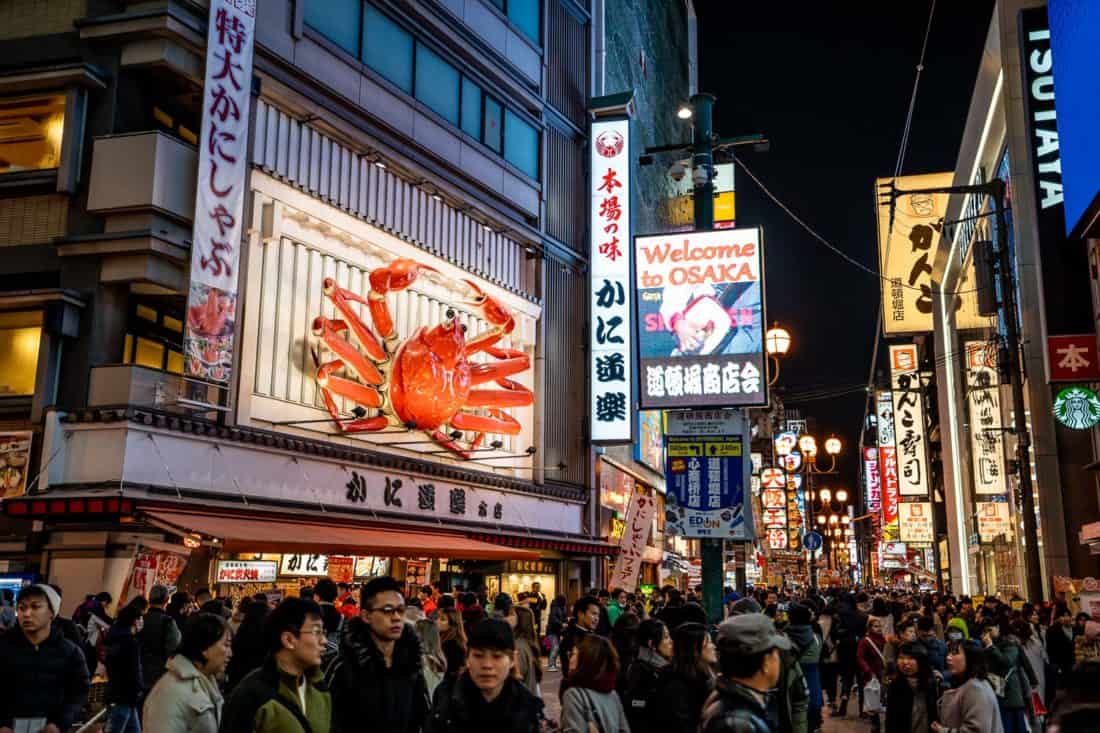
Dotonbori is one of the city’s best-known areas, with bright signs, restaurants, and busy streets creating a memorable nighttime atmosphere. Osaka Castle provides another perspective, connecting visitors with Japanese history while offering attractive grounds for walking.
Food is an important part of the Osaka experience. Local specialties include takoyaki and okonomiyaki, and exploring different neighborhoods can be an enjoyable way to discover regional flavors. Osaka is also conveniently positioned for day trips to Kyoto, Nara, Kobe, and other destinations in the Kansai region.
Hiroshima

Hiroshima is a meaningful destination for travelers interested in history, peace, culture, and the natural beauty of western Japan. The city is home to the Atomic Bomb Dome and Peace Memorial Park, which preserve important reminders of the consequences of war and promote reflection on peace.
A visit to Hiroshima can also include Miyajima, an island famous for Itsukushima Shrine and its distinctive red torii gate associated with the sea. Beyond these major attractions, the wider region includes mountains, islands, coastal scenery, historic towns, and outdoor activities.
Hiroshima also has a distinctive food culture. Its style of okonomiyaki differs from the version associated with Osaka, with ingredients layered together and noodles commonly included. This provides visitors with another opportunity to experience how Japanese cuisine changes from one region to another.
Nara
Nara is an excellent destination for travelers who want to explore some of Japan’s oldest cultural traditions. It was Japan’s first permanent capital and contains ancient temples, shrines, historic neighborhoods, and important cultural treasures.
Nara Park is particularly famous for the deer that roam freely throughout the area. Nearby Todaiji Temple contains a huge bronze Buddha statue and is one of the city’s most significant attractions.
Because Nara is easily accessible from Kyoto and Osaka, it can also be included as a day trip. However, travelers with more time may prefer to stay longer and explore quieter areas beyond the most popular attractions.
Sapporo

Sapporo is the largest city in Hokkaido and offers a noticeably different atmosphere from the major cities of central Japan. The city is surrounded by northern landscapes and provides access to a region known for nature, seasonal activities, and distinctive food.
Winter is particularly important in Sapporo because the city is famous for its snow and winter events. During warmer months, visitors can explore parks, markets, surrounding countryside, and nearby natural areas.
Sapporo is also known for regional cuisine, including seafood and miso ramen. Travelers interested in experiencing a northern side of Japan can use the city as a starting point for exploring Hokkaido.
Fukuoka
Fukuoka is a lively city on Japan’s Kyushu island and is known for its food, coastal setting, shopping, and relaxed atmosphere. It can be an appealing destination for travelers who want to experience a major Japanese city without following the traditional Tokyo and Kyoto route.
One of the city’s best-known food experiences involves its yatai street food stalls, where visitors can enjoy dishes in a casual outdoor setting. Fukuoka is also associated with tonkotsu ramen, a regional style made with a rich pork-based broth.
The city’s location makes it useful for exploring other parts of Kyushu as well. Travelers can combine Fukuoka with destinations such as Nagasaki, Kumamoto, or hot spring areas depending on the length of their journey.
Kanazawa
Kanazawa offers a fascinating combination of traditional culture, gardens, historic neighborhoods, and regional crafts. It is sometimes chosen by travelers looking for a destination that provides a strong cultural experience away from Japan’s largest metropolitan centers.
Kenrokuen Garden is one of the city’s major attractions and is particularly beautiful during different seasons. The historic Higashi Chaya district provides another opportunity to experience traditional architecture and atmosphere.
Kanazawa is also known for arts and crafts, making it an interesting destination for travelers who appreciate Japanese design and traditional workmanship.
Nagasaki
Nagasaki has a distinctive history shaped by its position as an important international port. The city developed cultural connections with different parts of the world, creating an atmosphere that differs from many other Japanese destinations.
Nagasaki is also an important historical destination because of its connection to the atomic bombing during World War II. The Nagasaki Atomic Bomb Museum and Peace Park provide opportunities for visitors to learn about this history.
The city also offers attractive hillside views, waterfront scenery, historic architecture, and regional food. Travelers interested in history can gain a deeper understanding of Japan’s complex relationship with international trade and modern history by spending time here.
Yokohama
Located near Tokyo, Yokohama is a major port city with a distinctive waterfront atmosphere. Its location makes it particularly convenient for travelers who want to add another urban destination without making a long journey from the capital.
The city is known for its waterfront areas, shopping districts, parks, museums, and Chinatown. Yokohama also has an interesting maritime history and provides a different perspective on metropolitan Japan.
Because it is so close to Tokyo, travelers can visit Yokohama as a day trip or spend several nights exploring its neighborhoods at a slower pace.
Kobe
Kobe is another attractive city in the Kansai region and is particularly known for its port, surrounding mountains, international influences, and food culture. The city’s location between the sea and mountains gives it a distinctive landscape.
Visitors can explore the waterfront, walk through historic areas, and enjoy views from the hills. Kobe is also internationally associated with its beef, although the city’s culinary identity extends well beyond that famous specialty.
Its location makes Kobe easy to combine with Osaka and Kyoto, allowing travelers to explore several different urban environments during one trip.
Sendai
Sendai is the largest city in the Tohoku region and provides an opportunity to explore northeastern Japan. The city combines urban attractions with access to coastal landscapes, mountains, and historic sites.
Sendai is particularly appealing during the seasons when its surrounding nature becomes a major part of the experience. The region also has important historical connections with Date Masamune, a prominent figure from Japan’s feudal period.
Travelers who have already visited Tokyo, Kyoto, and Osaka may find Sendai an interesting way to discover a different part of the country.
Nagoya
Nagoya is a major industrial and cultural center located between Tokyo and Kyoto. It is an important transportation hub and can be a practical stop for travelers exploring central Japan.
The city has strong connections with Japanese manufacturing and automotive history, while attractions such as Nagoya Castle provide opportunities to explore the region’s historical heritage.
Nagoya is also known for its distinctive local cuisine. Visitors can try regional dishes that demonstrate how food traditions differ even between neighboring areas of Japan.
Takayama
Takayama provides a completely different experience from Japan’s largest cities. Located in the mountainous Hida region, the city is known for its preserved historic streets, traditional architecture, local markets, and connection to rural Japanese culture.
Walking through the old town allows visitors to see wooden buildings and traditional shops in an environment that feels far removed from the skyscrapers of Tokyo. Takayama can also be combined with nearby mountain and countryside destinations.
The city is especially appealing to travelers who want to include smaller communities and traditional landscapes in their Japanese itinerary.
Choosing the Right Japanese Cities for Your Trip
The best itinerary depends on how much time you have and what type of experience you want. First-time visitors often combine Tokyo, Kyoto, and Osaka because these cities provide very different perspectives on Japanese culture while being connected by efficient transportation. Japan’s official tourism organization also features a classic route linking Tokyo, Kyoto, Osaka, and Hiroshima, with additional stops such as Hakone and Nara.

Travelers interested in history can add Nara, Hiroshima, or Nagasaki. Those looking for nature and regional culture might consider Takayama, Kanazawa, Sapporo, or Sendai. Food enthusiasts can explore Osaka and Fukuoka, while visitors interested in traditional architecture may enjoy Kyoto and Takayama.
It is also important to avoid creating an itinerary that is too crowded. Japan offers so much to see that spending a little longer in fewer cities can often provide a richer experience than constantly moving between destinations.
Final Thoughts
Japan’s cities reveal different sides of the country, from Tokyo’s extraordinary modern energy to Kyoto’s long cultural traditions and Osaka’s lively food scene. Hiroshima offers important historical perspectives, Nara preserves ancient cultural treasures, and destinations such as Kanazawa, Takayama, Fukuoka, and Sapporo demonstrate how varied Japan can be.
A memorable Japanese journey does not need to follow a single formula. The country offers opportunities for history, food, architecture, nature, art, shopping, and cultural discovery across its many regions. By choosing destinations that match your interests and allowing enough time to experience each one, you can create a trip that goes beyond famous landmarks and gives you a deeper appreciation of Japan.
💡 Luggage Forwarding: Use Japan’s Yamato Transport (Takkyubin) service at convenience stores to send large suitcases between cities overnight for around $15 per bag.
Related Japan Guides: To immerse yourself in authentic Japanese culture during your city travels, explore our curated breakdown of 12 traditional foods to try in Japan. Planning a multi-country Asian itinerary? Compare your rail and transit logistics with our guide to traveling around Thailand.
Official Travel Resources: Before mapping out your intercity Shinkansen train routes, check regional guidelines on the Japan National Tourism Organization (JNTO) and verify regional pass validity via JR East Railway Official.
Frequently Asked Questions
Which cities should I prioritize on my first trip to Japan?
The golden route of Tokyo (4-5 days), Kyoto (3 days), and Osaka (2 days) delivers the perfect balance of modern city life, historic temples, and street food culture.
How do I travel between cities in Japan?
The Shinkansen bullet train network connects major cities across Honshu quickly and punctually. Consider an IC card (Suica/Pasmo) for local transit.